|
|
|
|
|
|
|
|
|
|
|

|
||||||||
Finds of Graeco-Roman Beehives from Sphakia, SW CreteJane Francis
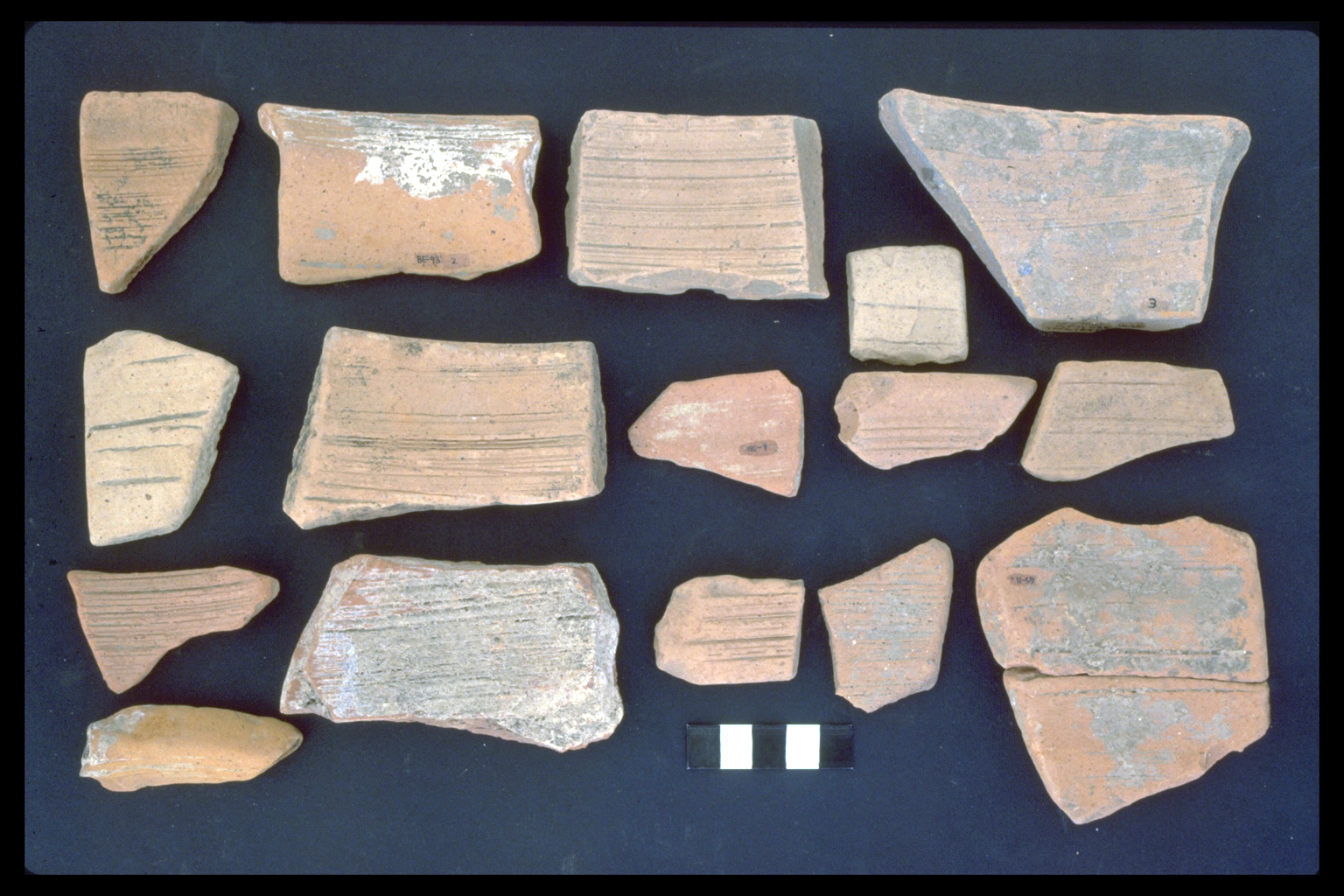
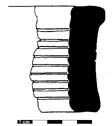
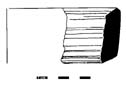
These finds cannot be easily dated, since they are surface finds. The majority of beehives come from sites that are dominated by Hellenistic and Roman pottery, but some are found with material dating back to the Archaic period, and others appear at later, single-period sites, mostly Late Roman. Analysis and evidence thus far has not revealed any typological development, and comparisons with rim shapes from beehives elsewhere in Greece suggest that established forms were maintained over several periods with little change. Fabric analysis does not dispute a Hellenistic/Roman dating for most of the beehives, but cannot pinpoint chronologies more specifically. It is hoped that an examination of stratified beehives from other sites in Crete will supply the necessary chronological framework for the Sphakia material, confirm both the possibility of regional variations noted in the rims and of any typological development, at least within the island, and permit a more substantial interpretation of beekeeping in ancient Greece. Dept. of Classics, Modern Languages and Linguistics,
This is an abstract from "Bee-keeping in the Graeco-Roman World", a conference organised by Simon Price and Lucia Nixon at Lady Margaret Hall, Oxford, on 7 November 2000.
|
|||||||||
©
The Sphakia Survey: Internet Edition, University of Oxford 2000
Designed and Developed by ACDT
at University of Oxford
This page last updated