|
|
|
|
|
|
|
|
|
|
|

|
|||
Traditional Bee-Keeping in Sphakia, SW CreteLucia Nixon
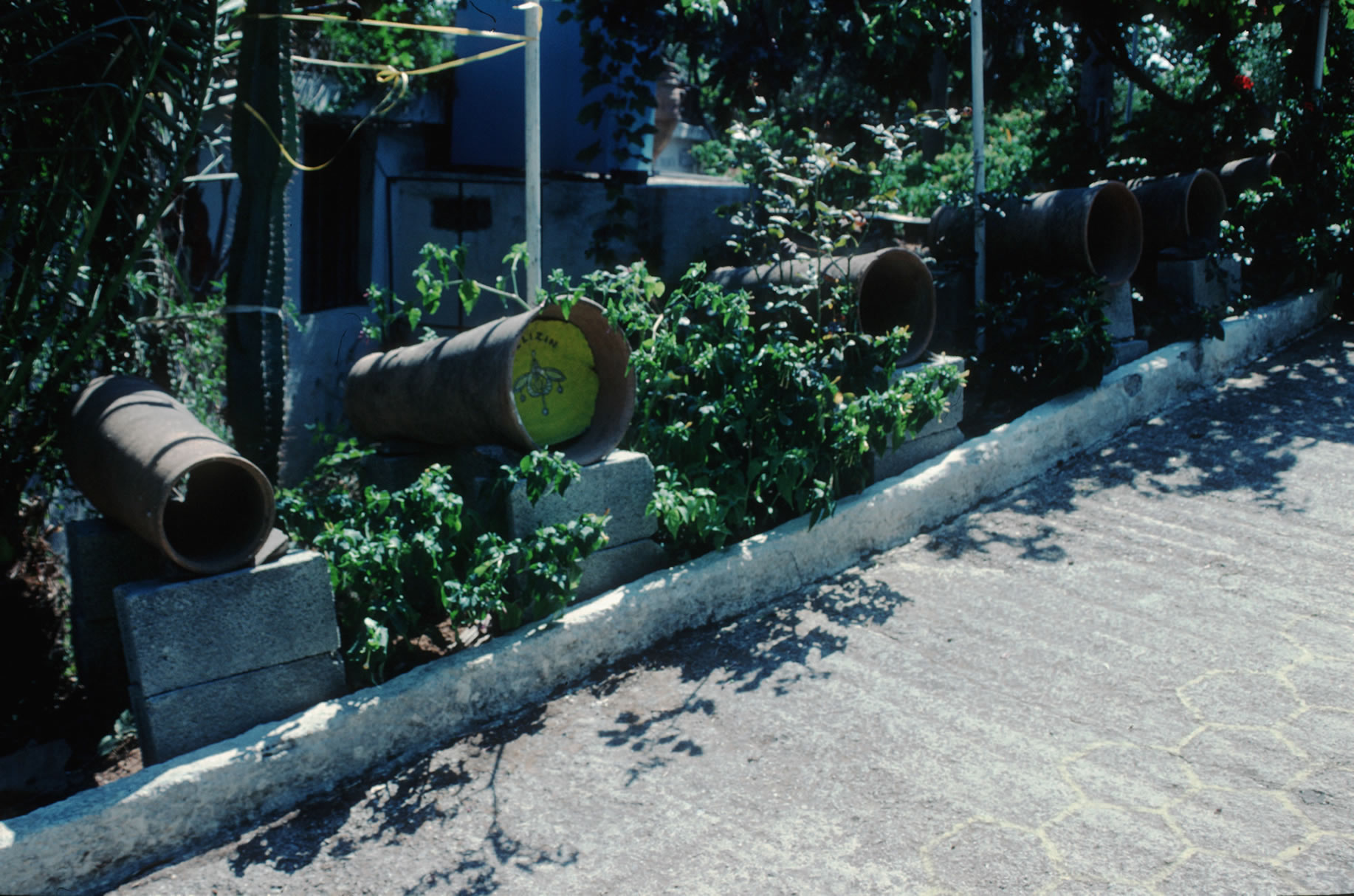
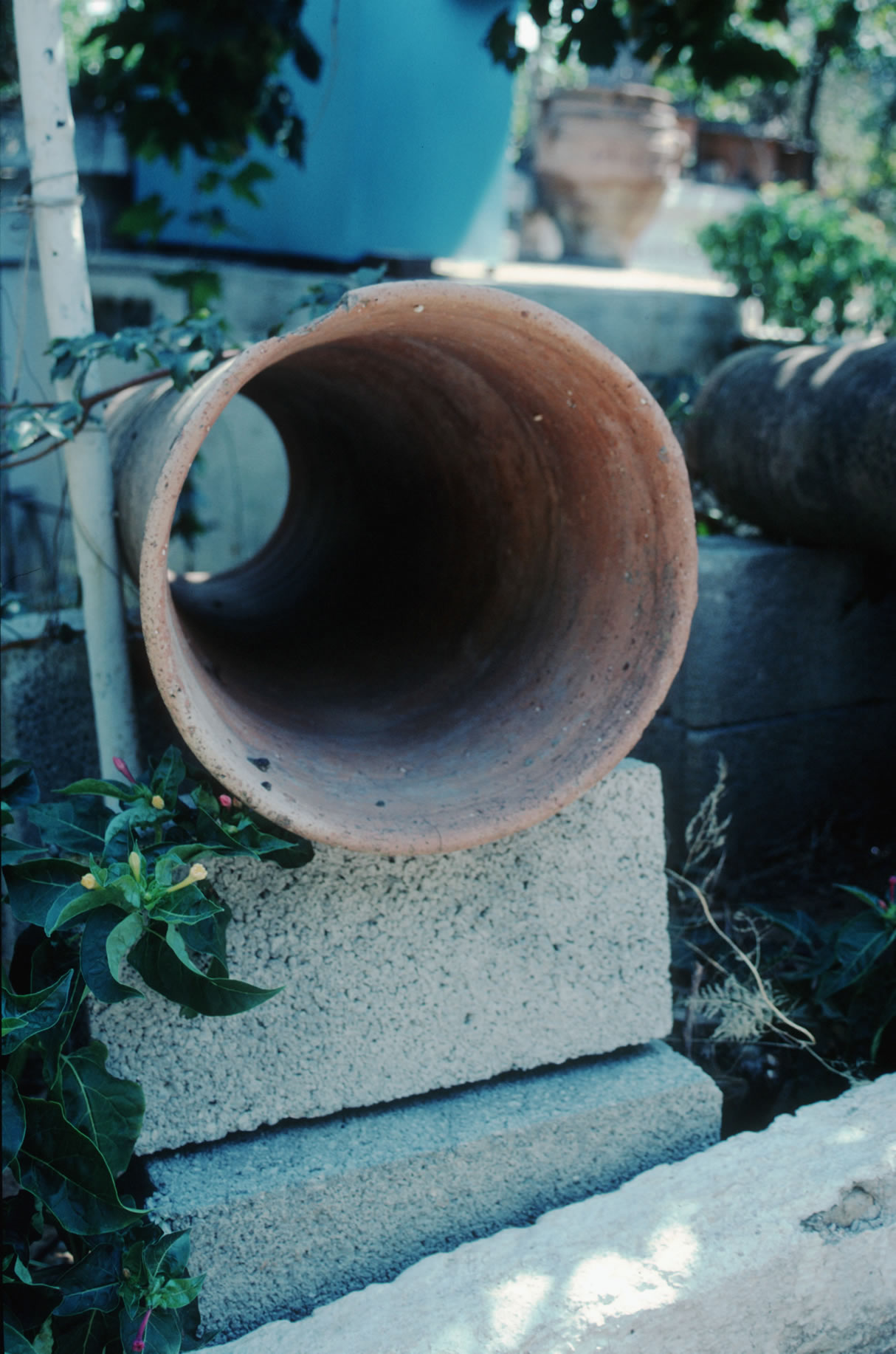
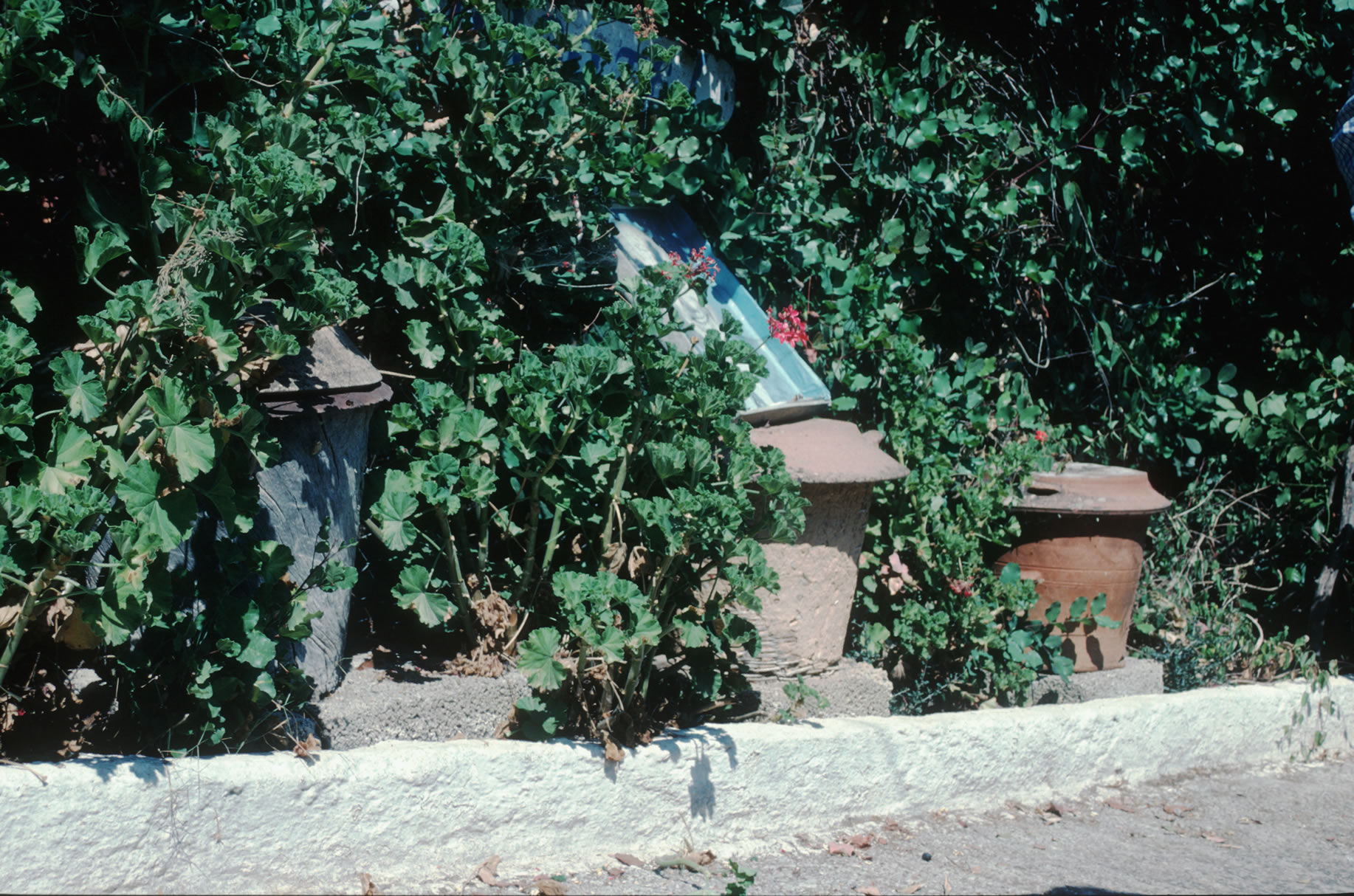
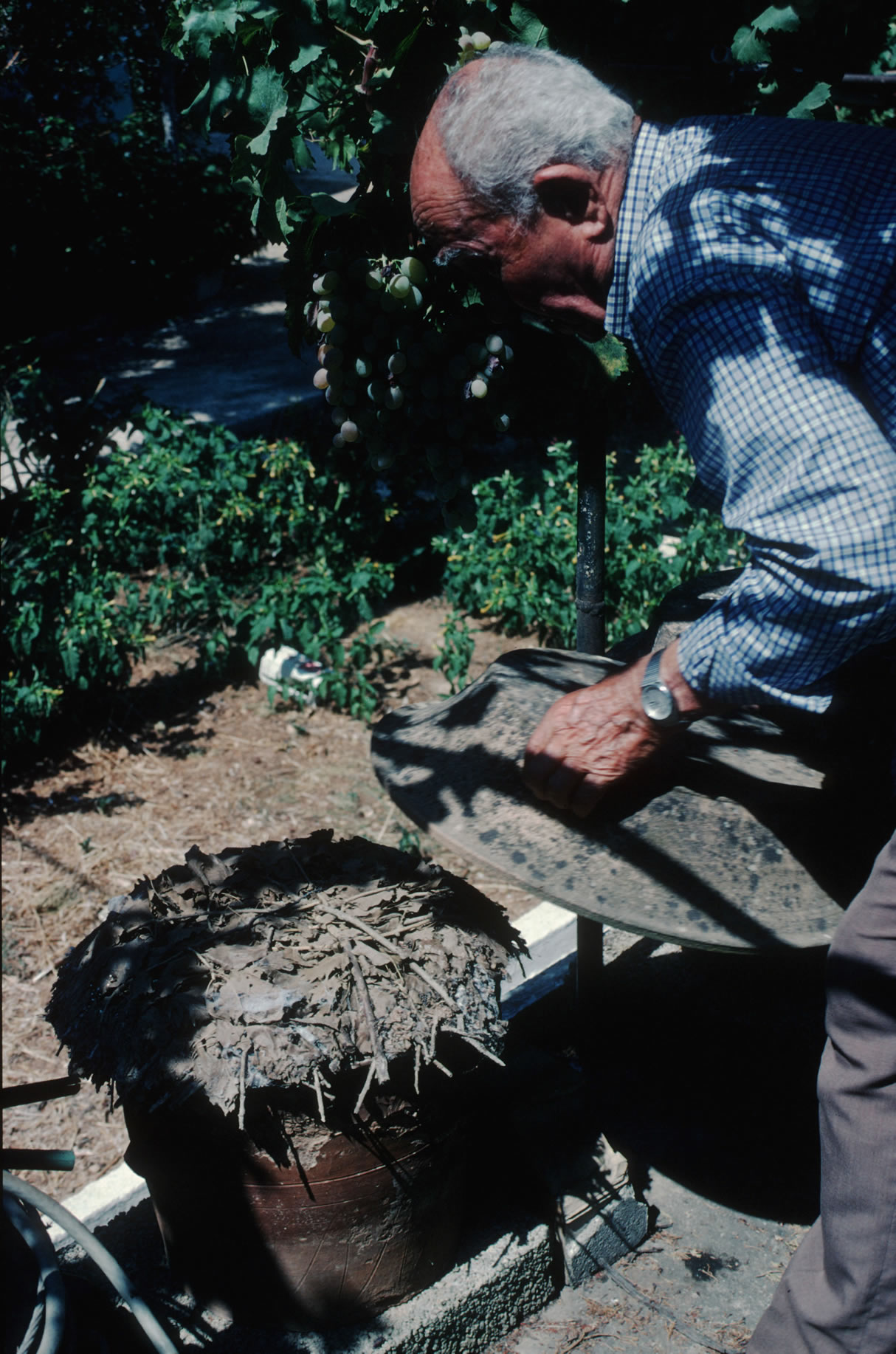
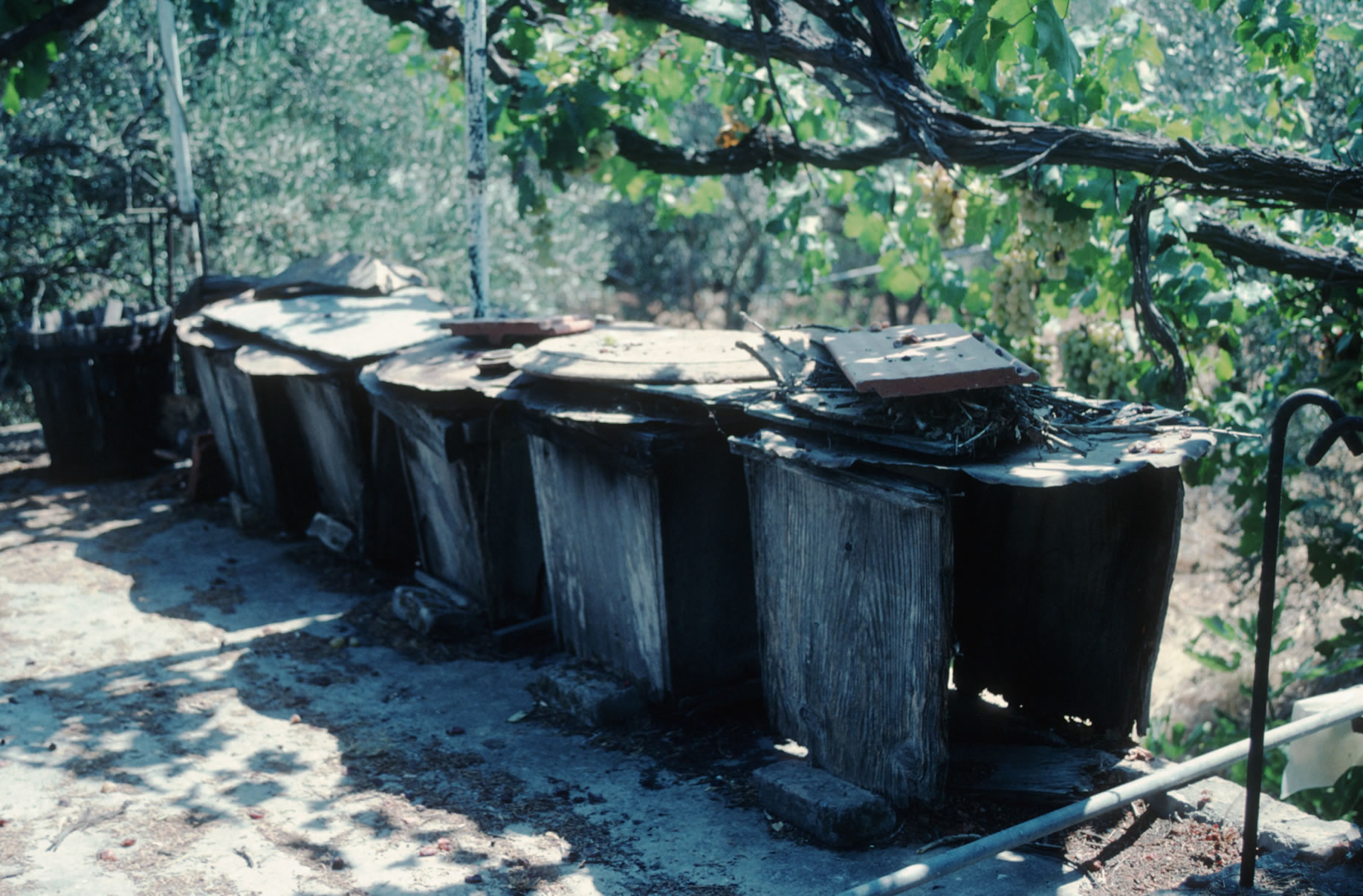
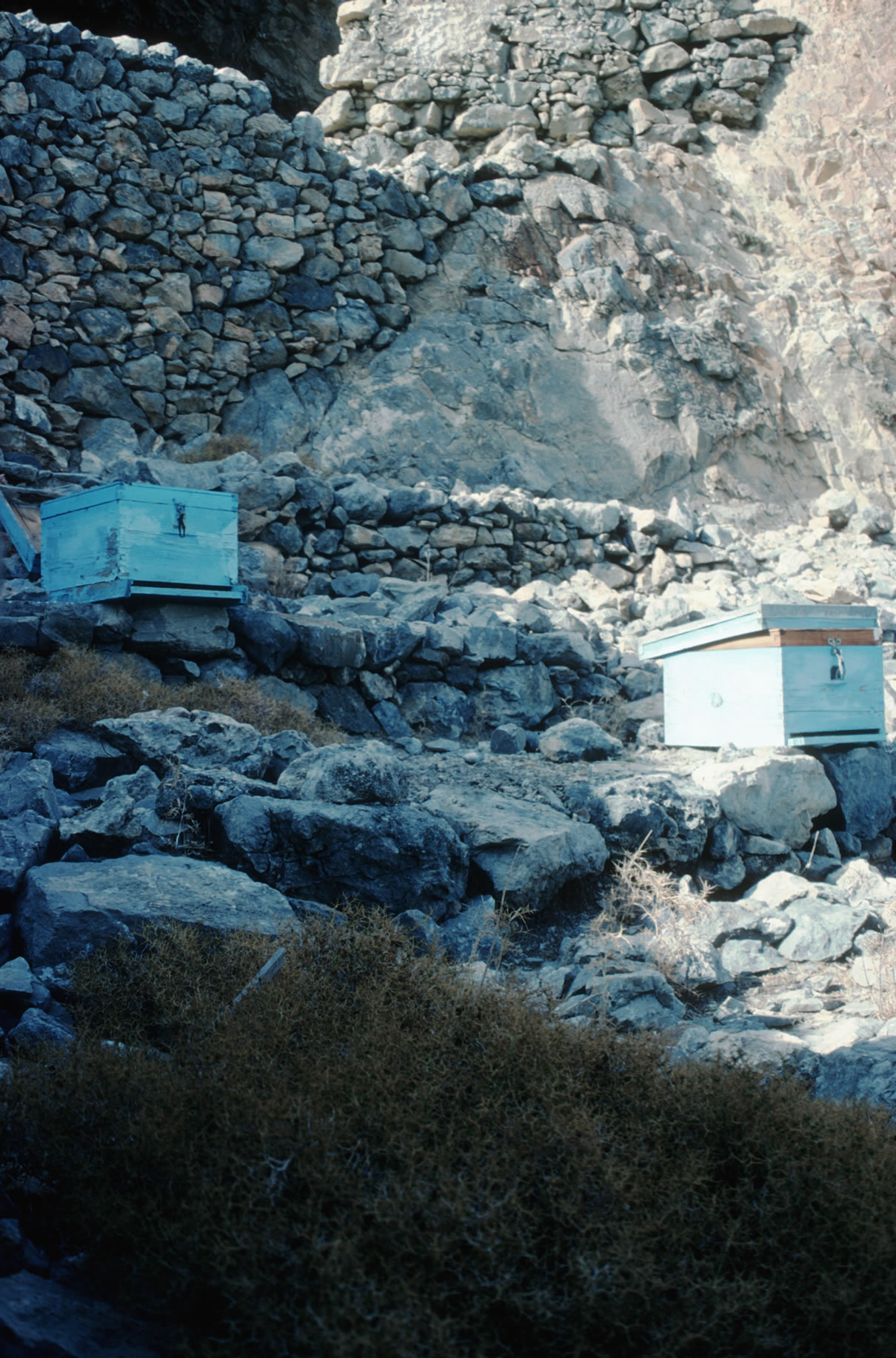
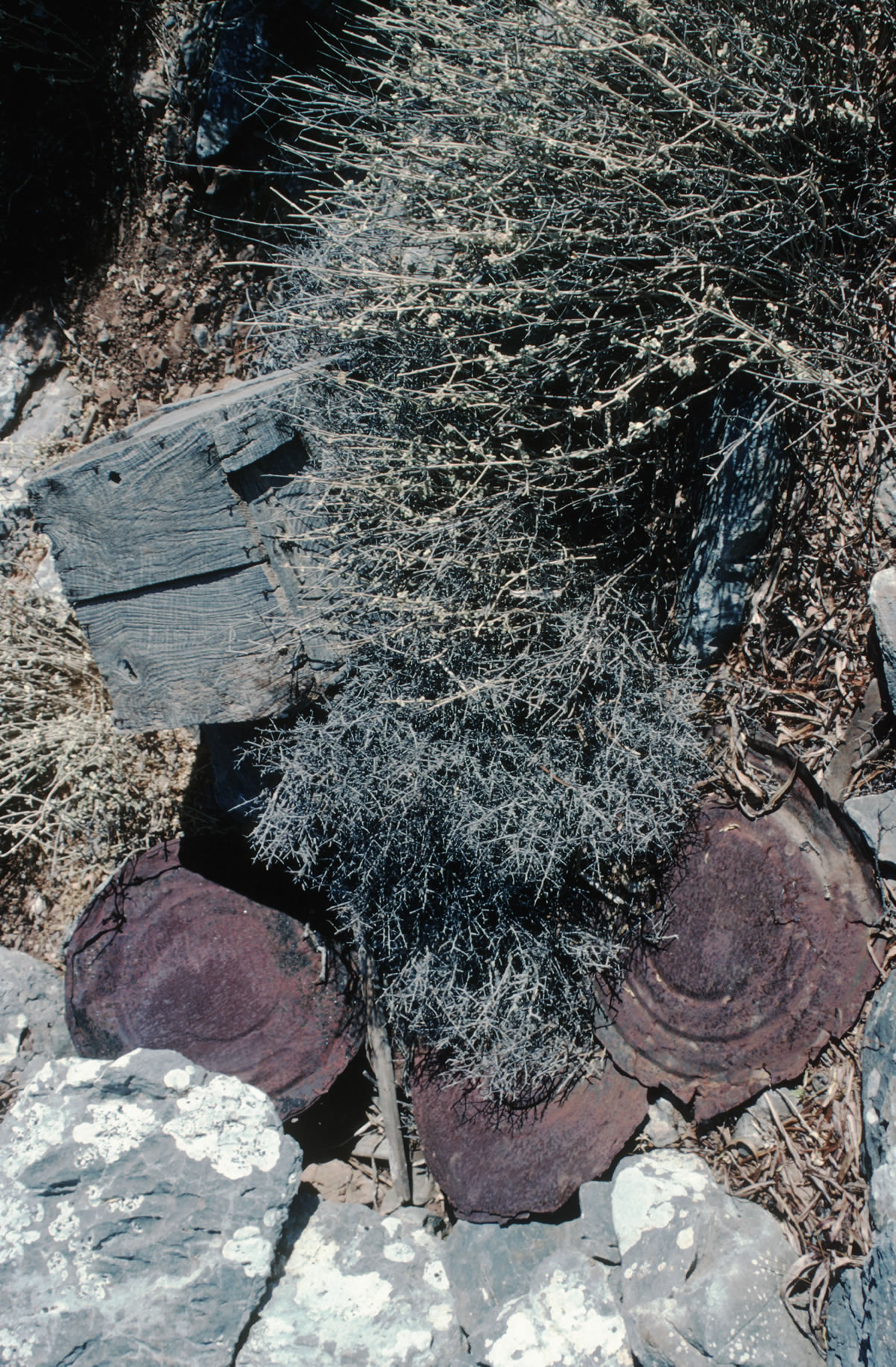
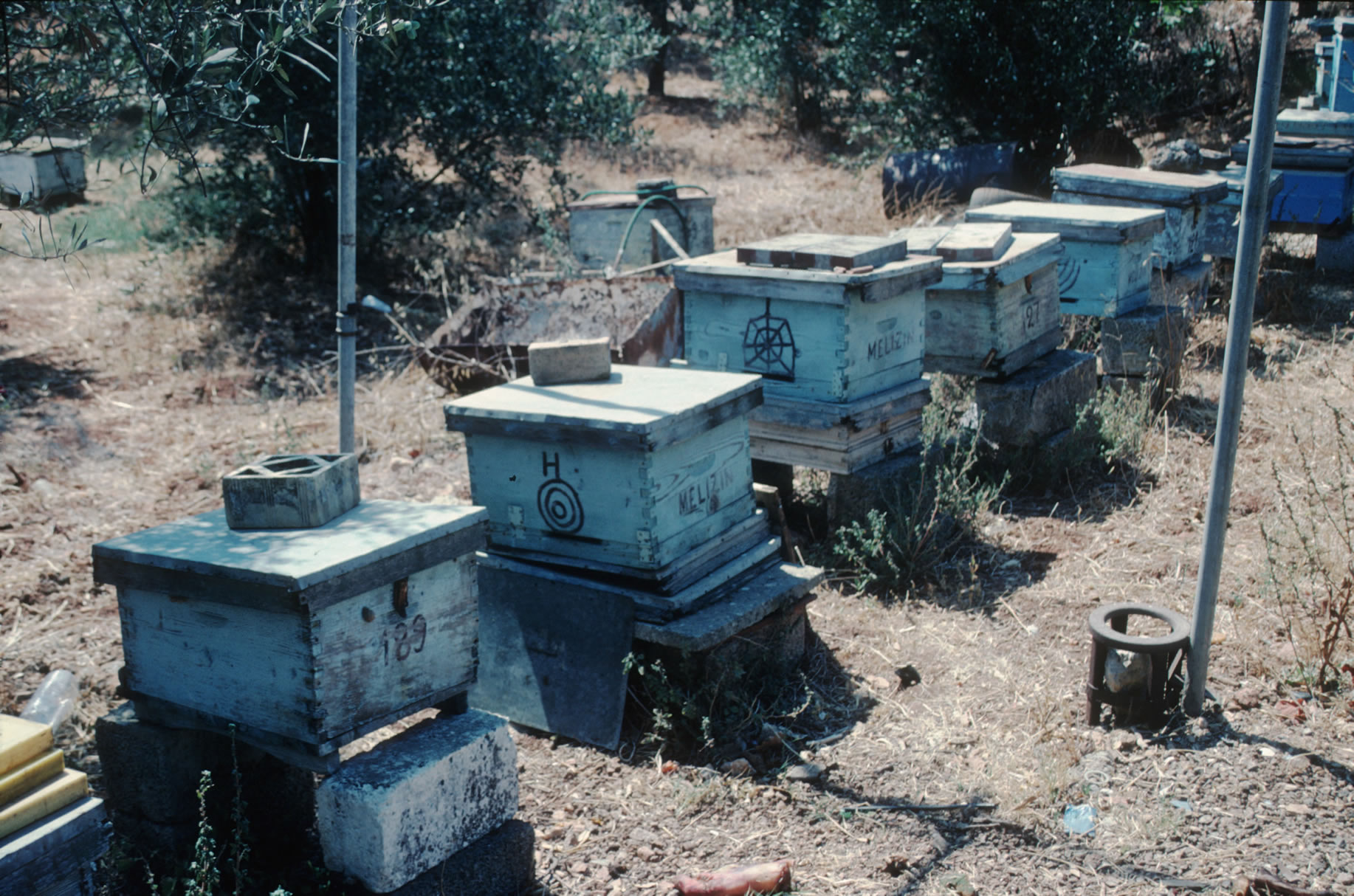
1. beehives in Crete, late Turkish period - 21st century. In W Crete, beehives can be made of several materials, including terra cotta, wood (cut planks, often cypress, or sometimes hollowed trunk sections), and wicker. They are usually vertical, and belong to the top-bar type. The drawing done by Sir George Wheler of a basket hive on Mt Hymettos shows that the general type was known in the Greek world in the 17th century (Crane 1999: 395).
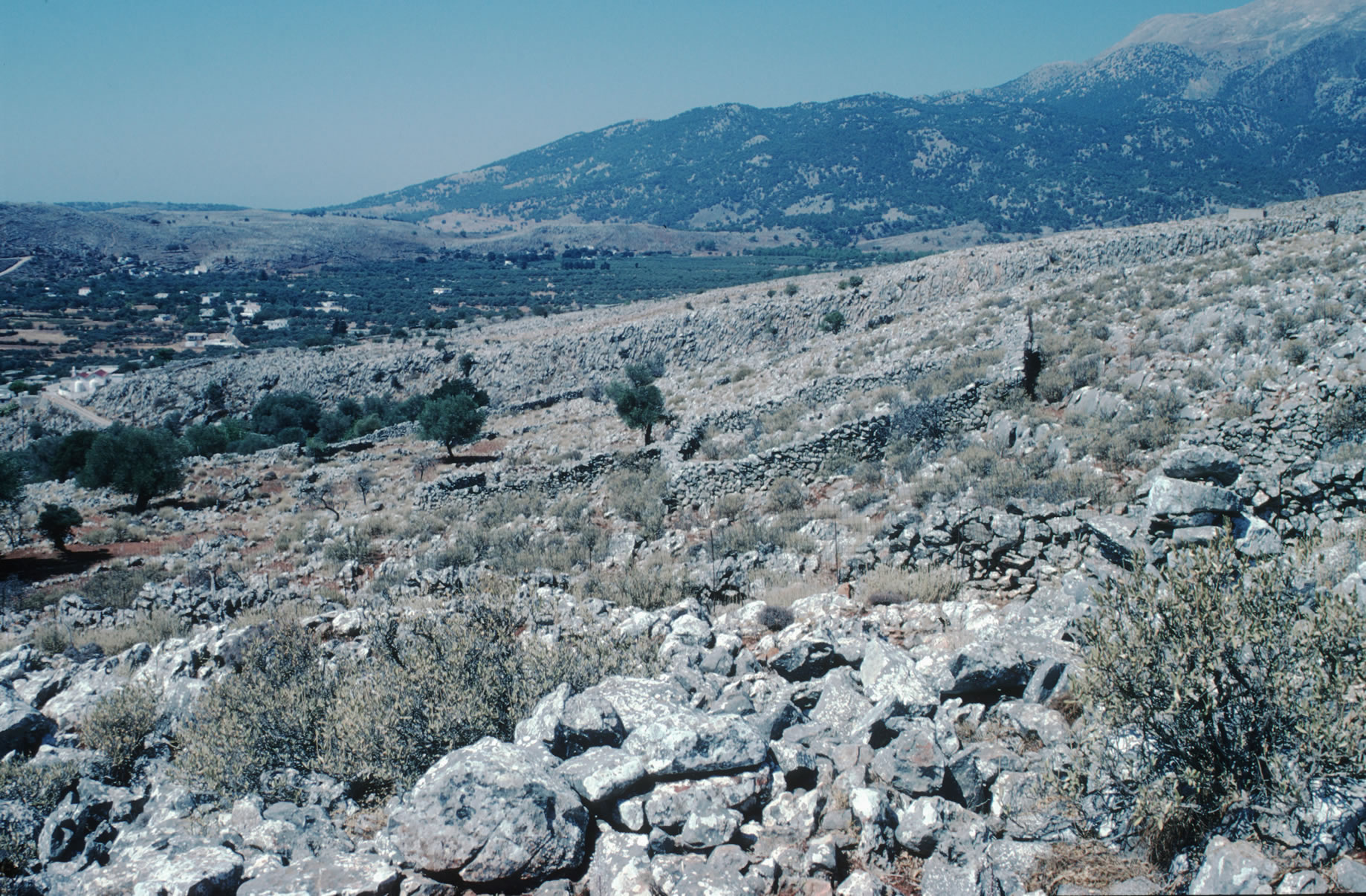
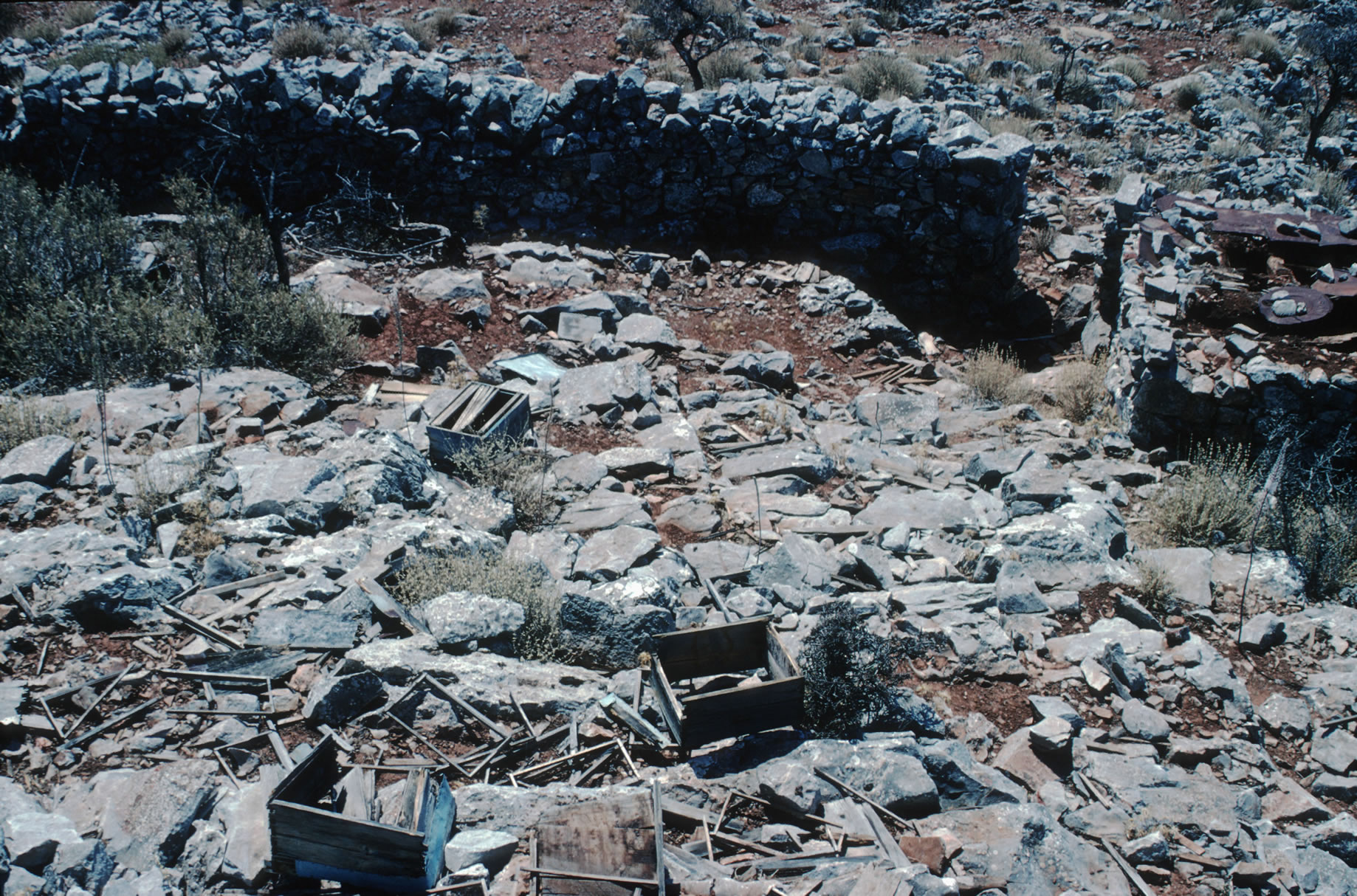
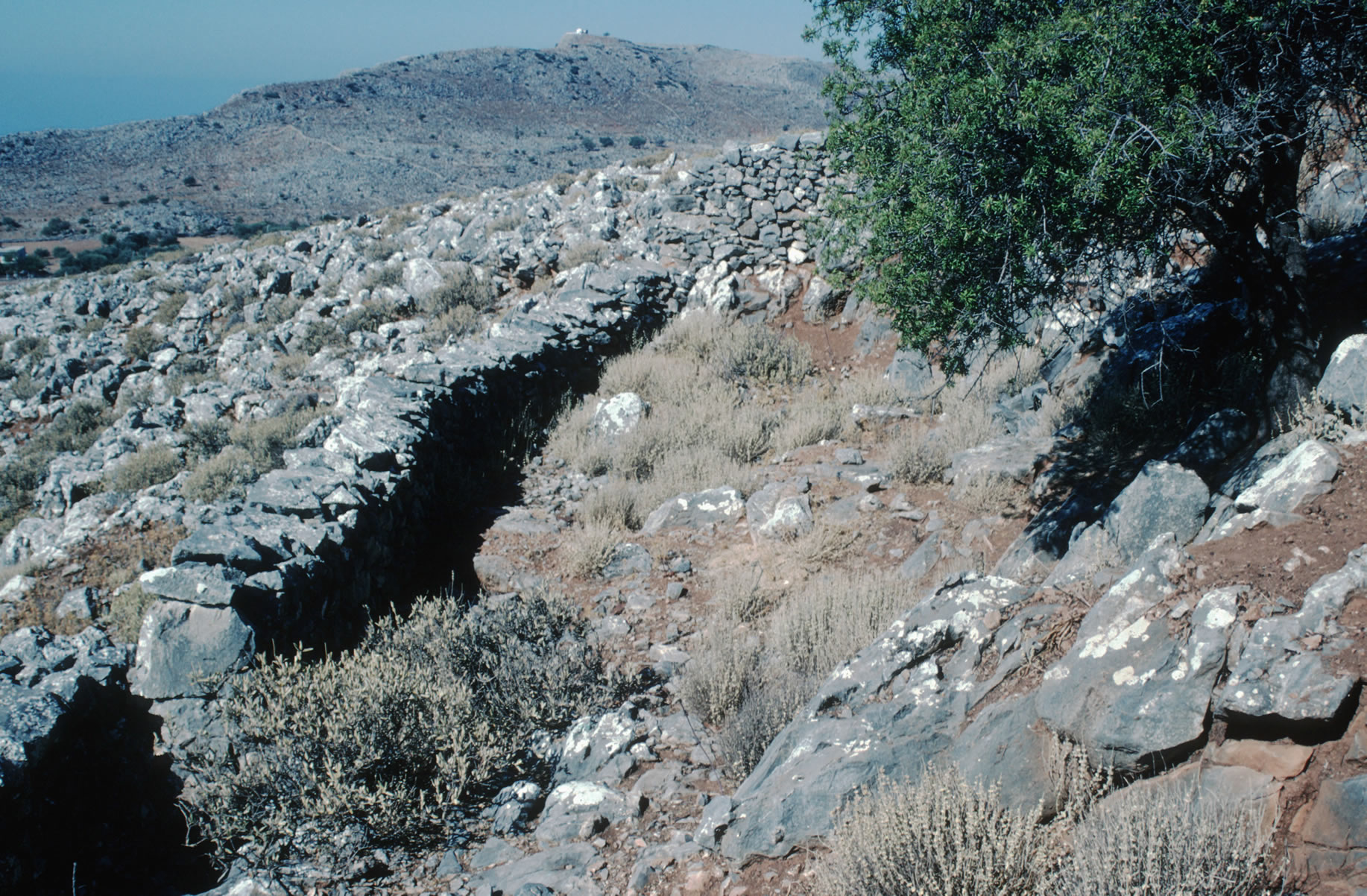
Other equipment included ceramic smokers (to get the bees to leave the hive), and honey-strainers. There were also special pithoi for storing honey, of various sizes. 2. the changing location of hives in SphakiaIn Sphakia, people built stone bee enclosures (to melissokipo), at the top of a set of agricultural terraces, or on uncultivated slopes where thyme bushes are abundant. At the moment there is no way to date these enclosures. Inside, bee enclosures have terraces, consisting of parallel lines of stones on which the hives can be placed. A small room or cupboard for storing equipment is sometimes built in one corner.
Frequently there is a tree or trees growing inside the enclosure (e.g. a pear tree). Trees provide shade, and flowers in the spring; they can be a landmark for the bees to sight on as they return to their hives. Bee enclosures also provide shelter from the wind, which bees dislike. Because wooden hives disintegrate relatively quickly, the stone bee enclosures are virtually the only material evidence for bee-keeping in Sphakia before the 20th c.
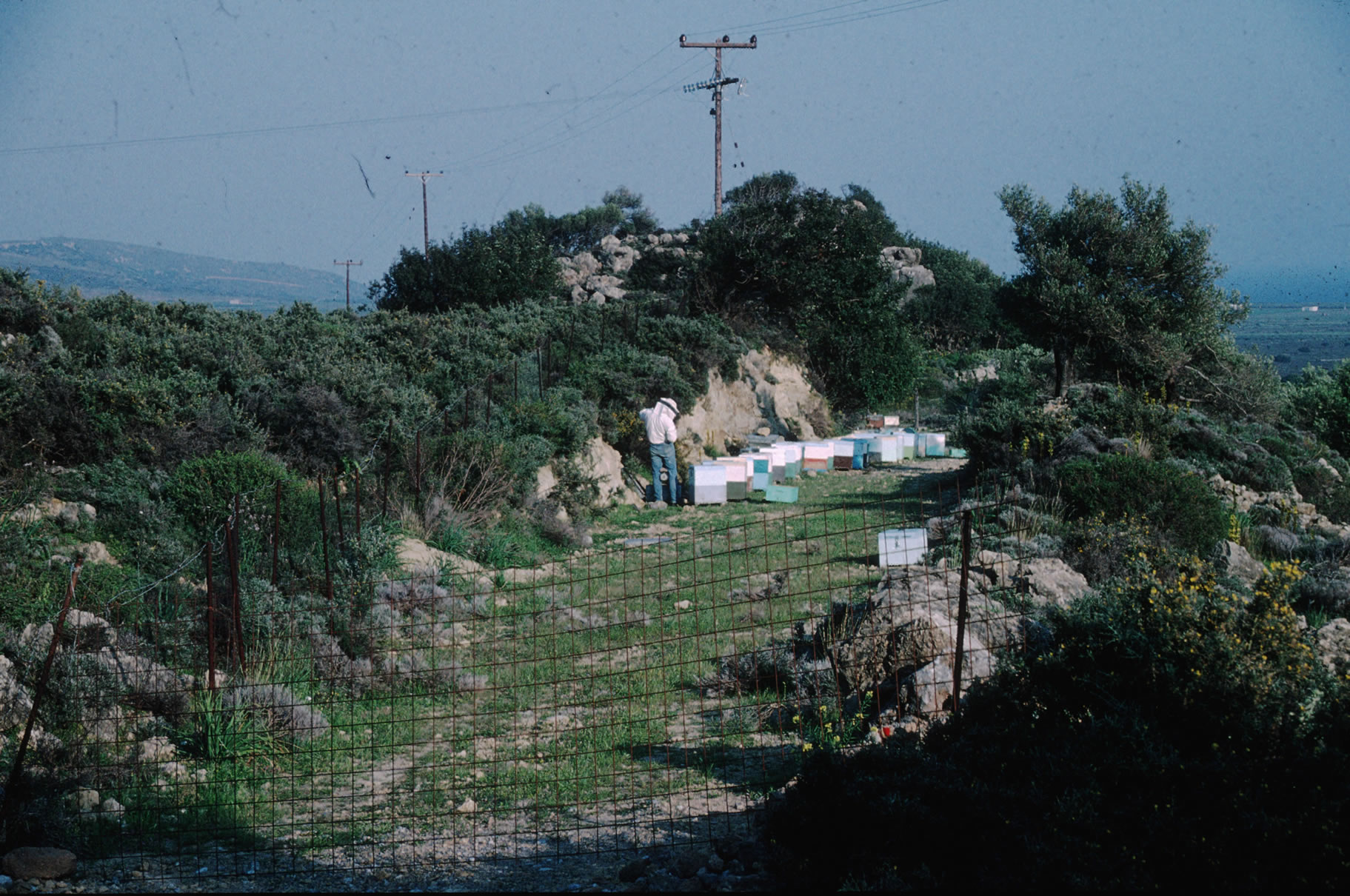
Whatever the material used for to make them, hives placed in bee enclosures were put there permanently. When European box hives were introduced after World War II, they too were put in bee enclosures. Since motorised transport became common in Sphakia, bee-keeping has changed. Few bee enclosures, sited mainly on footpaths, are used. Instead, box beehives are placed in locations near car roads, and they are moved to other locations depending on what is in bloom; the practice is called migratory bee-keeping (nomadiki melissokomia). This development is the reverse of the change in pastoralism, another important economic activity in Sphakia, which has moved from predominantly transhumant to predominantly stationary pastoralism. 3. the cultural significance of bee-keeping and bee productsCrete was different from Cyprus in that sugar cane never became a major crop (Jacoby 1994). Honey remained the main sweetener in Sphakia until after World War II. Only in cities which had 'sugar shaperies' (zakharoplasteia) were sugar-based cakes commonly available. Honey production is still economically important in Sphakia, though on a smaller scale than before. Culturally it remains significant in the menu at Sphakiote dinners following engagements, weddings, and christenings, when the first course consists of local honey dribbled over local sheep's milk cheese (graviera); cf. Horden and Purcell 1999: 225, 227. Honey is not the only bee product. Wax is another, and it too remains culturally significant for candles in churches and other religious settings, even though people now have electricity. Bibliography Baumann, Hellmut 1993. Greek Wild Flowers, London: Herbert.
This is an abstract from "Bee-keeping in the Graeco-Roman World", a conference organised by Simon Price and Lucia Nixon at Lady Margaret Hall, Oxford, on 7 November 2000.
|
||||
©
The Sphakia Survey: Internet Edition, University of Oxford 2000
Designed and Developed by ACDT
at University of Oxford
This page last updated