Research Methods
Fabric research is covered in more detail
in its own separate section.
1. environmental 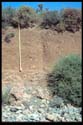
- definition of environmental zones
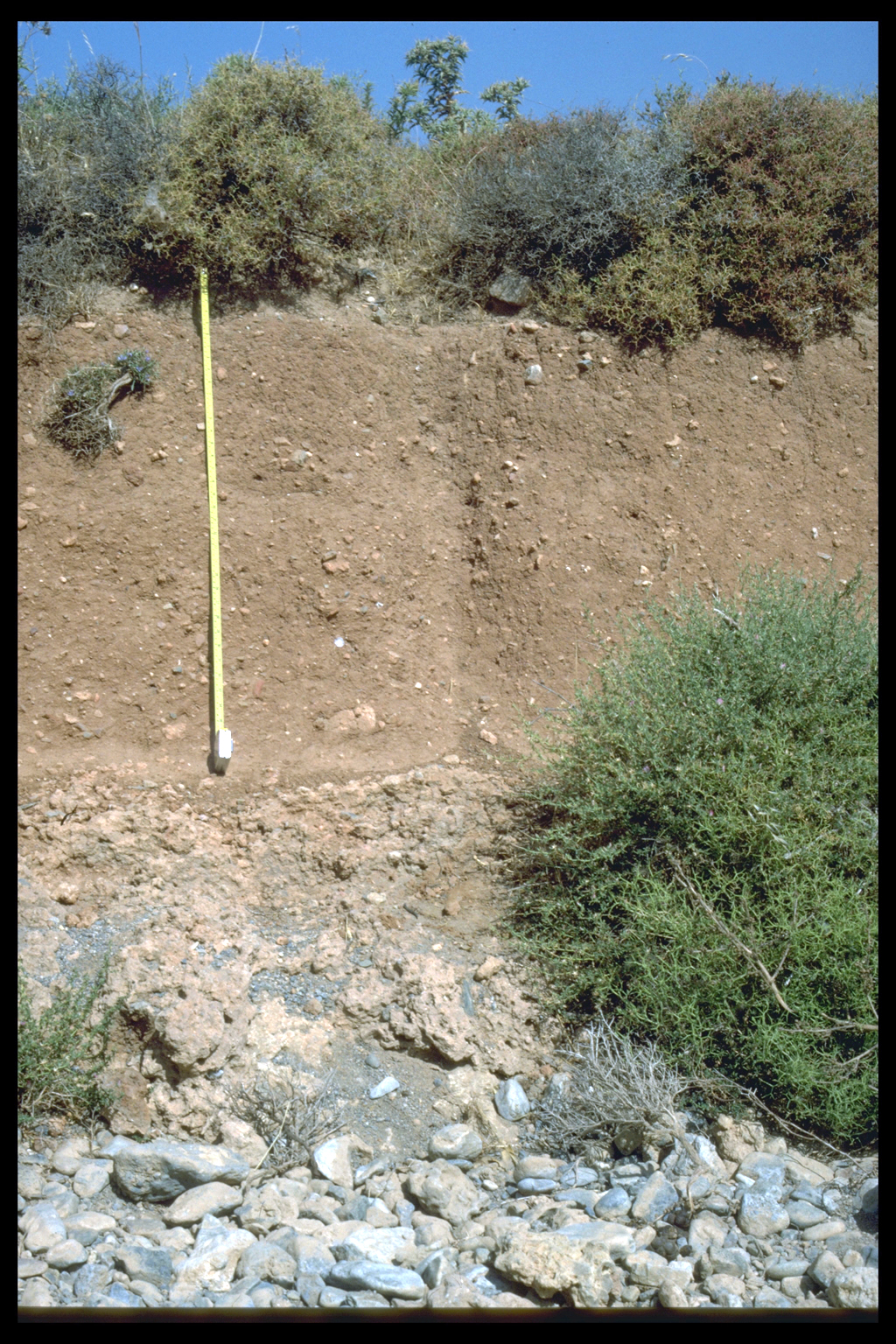
- geology, sediments, erosion
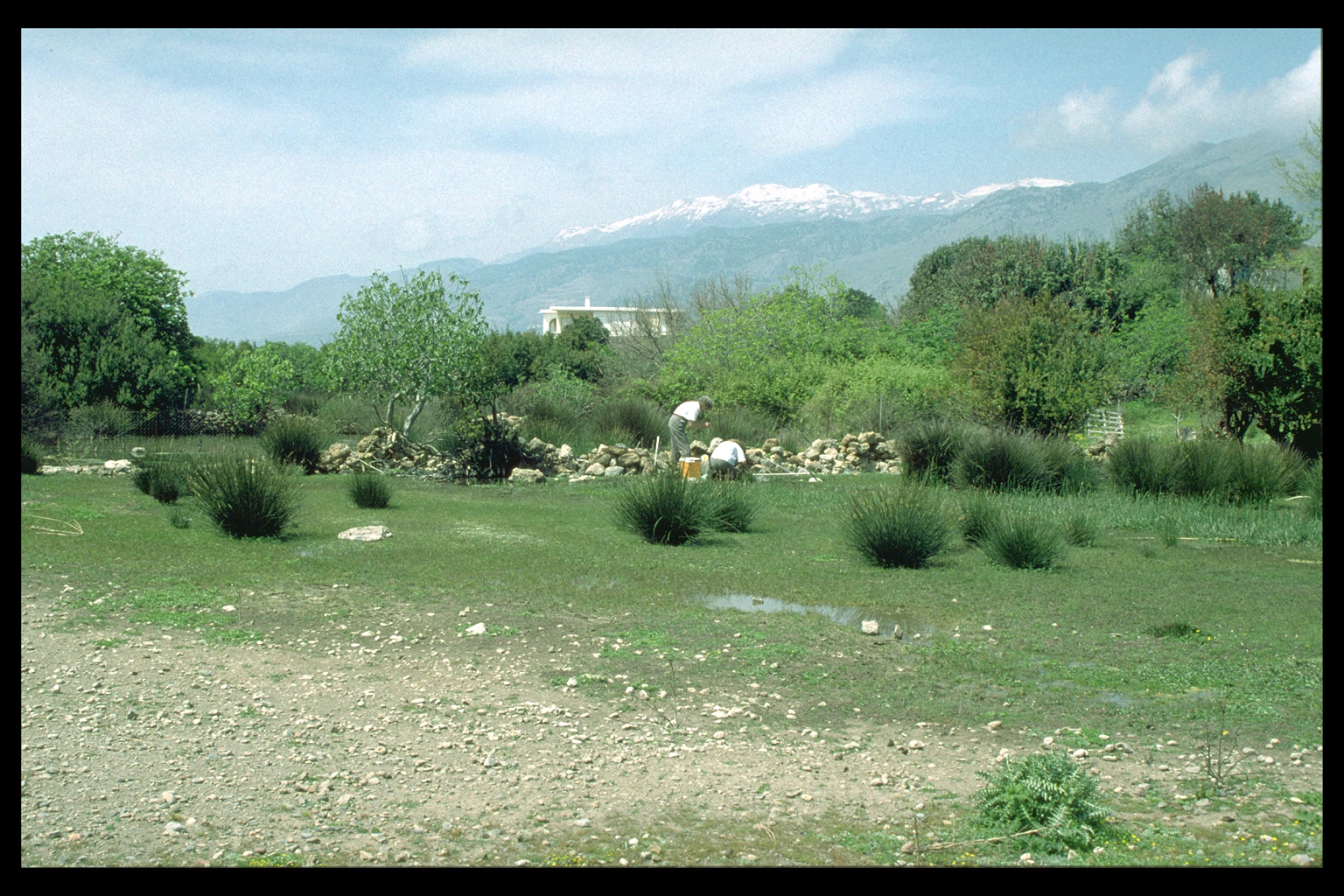
- historical ecology/vegetation land-use observations
- pollen core in Frangokastello; earlier core just outside, near Kallikrati
(already published)
- tree rings
- satellite images
- aerial photographs (Greek Ministry of the Environment and Land-use)
2. archaeological
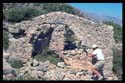 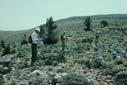 a.
fieldwork a.
fieldwork
- design of sampling programme
- confirming sites already discovered
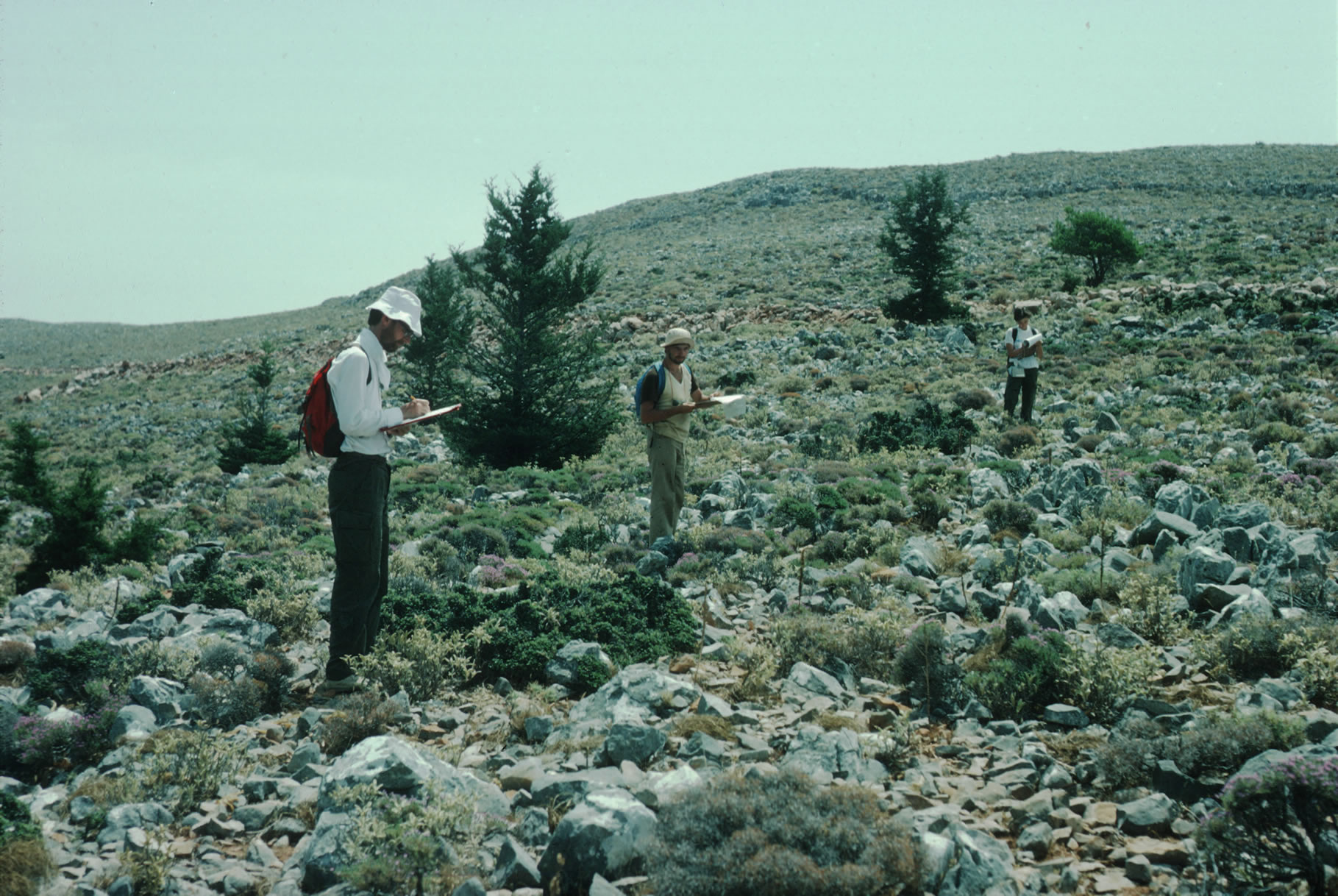
- contour transects, line transects, kilometer squares, moseys, free
excavations
- special intensive collection of large sites such as Loutro/Phoinix
and Anopoli ("vacuuming")
- revisiting and recording sites
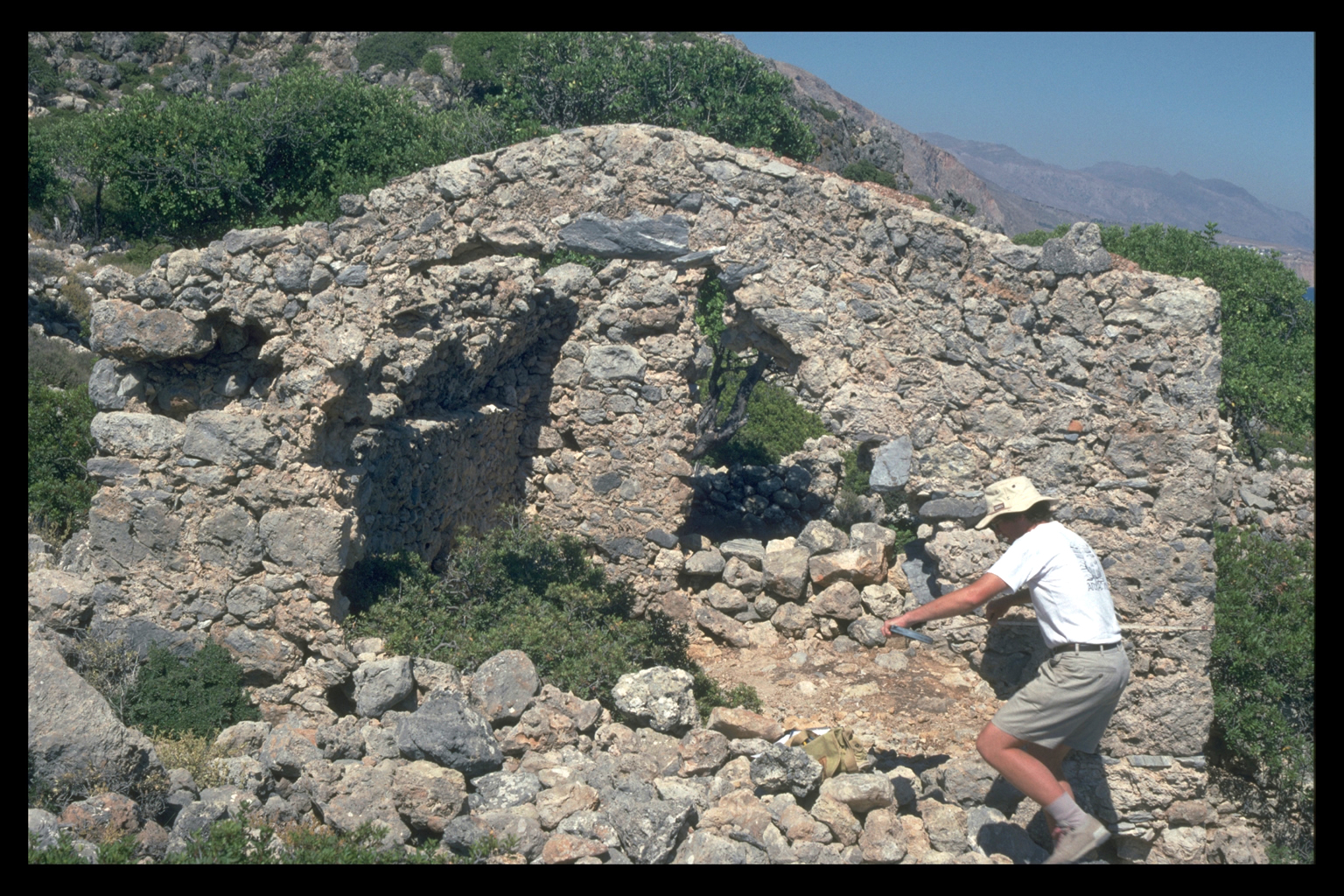
- drawing plans for sites with standing remains (Roman houses, Byzantine
churches)
- site photography
 b.
post-fieldwork b.
post-fieldwork
- diagramming and date-diagramming
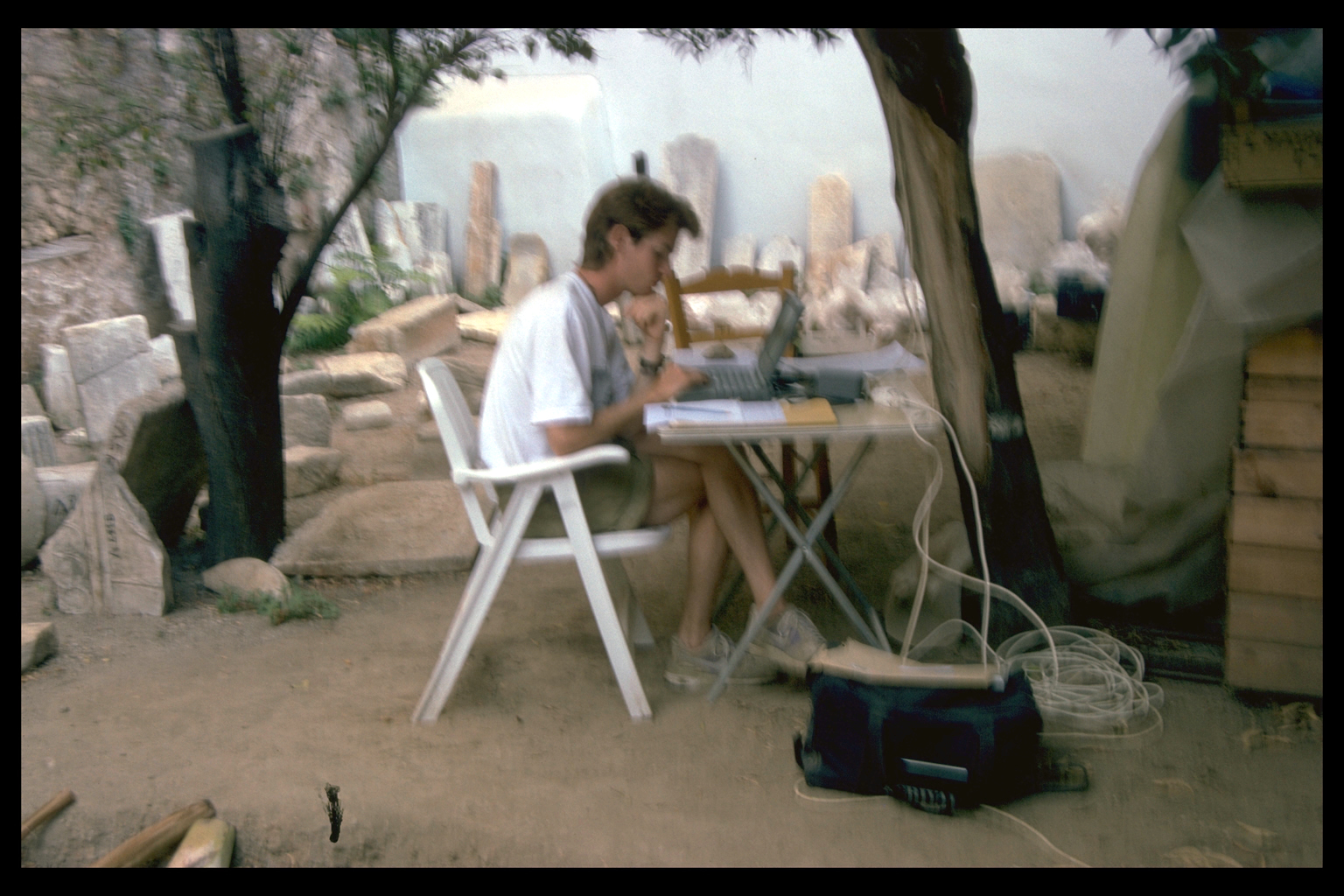
- study of finds by specialists on
- pottery
- stone tools
- bones
- coins
- drawing artefacts
- construction of databases
- finds photography
3. documentary
- Graeco-Roman tomb inscriptions
- Graeco-Roman texts (e.g. Theophrastus on cypress trees)
- Byzantine MSS
- Venetian reports (relazioni), drawings, and maps
- Turkish tax records
- 18th c. land sale documents
- ecclesiastical records
- foreign travellers' accounts (e.g. Randolph, quoted in EMC/CV
1989)
- novels (Patouchas, Waugh)
- songs (mantinades) and proverbs
4. local 
- toponyms
- water sources
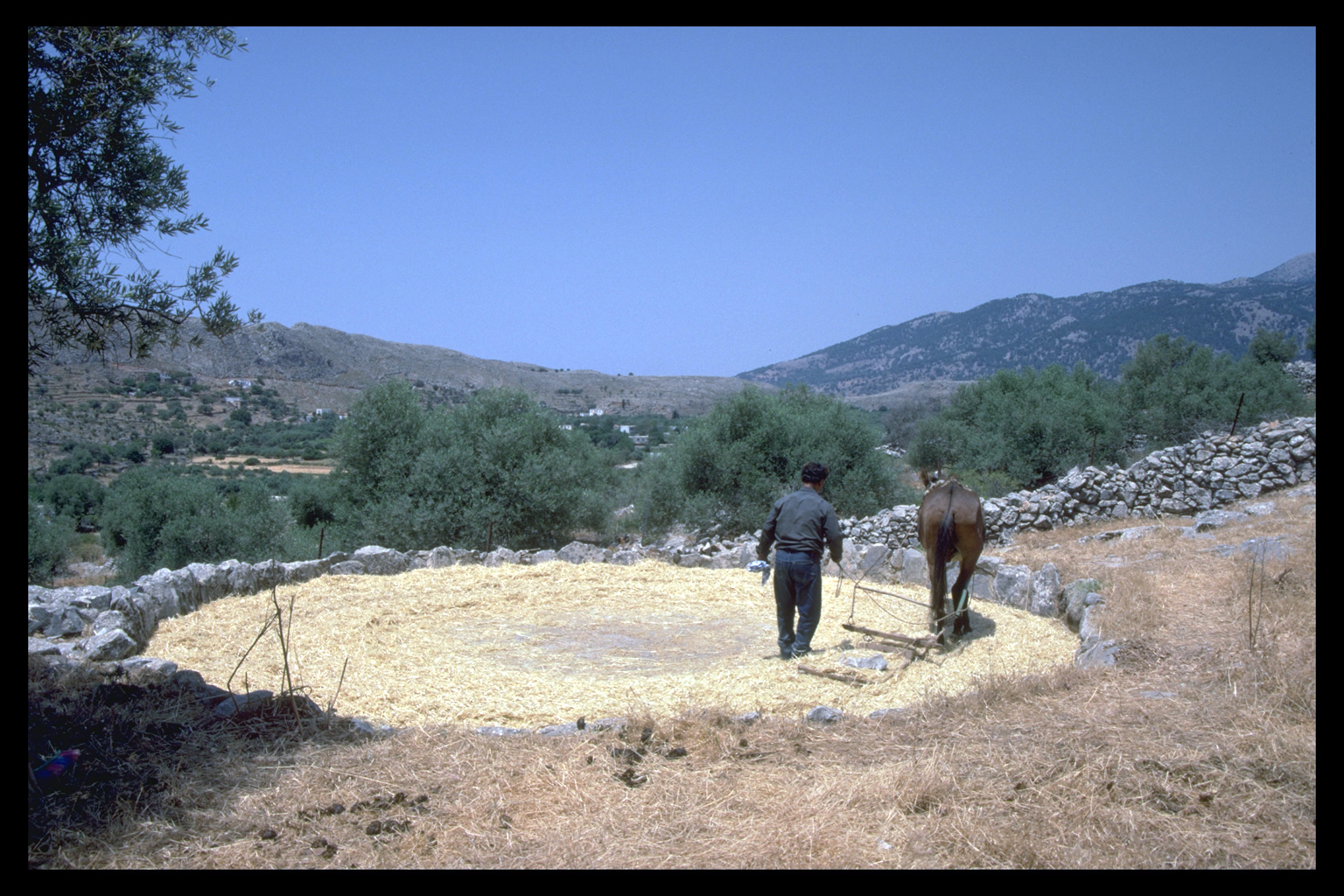
- agricultural practices (e.g. vines, grain)
- shepherding
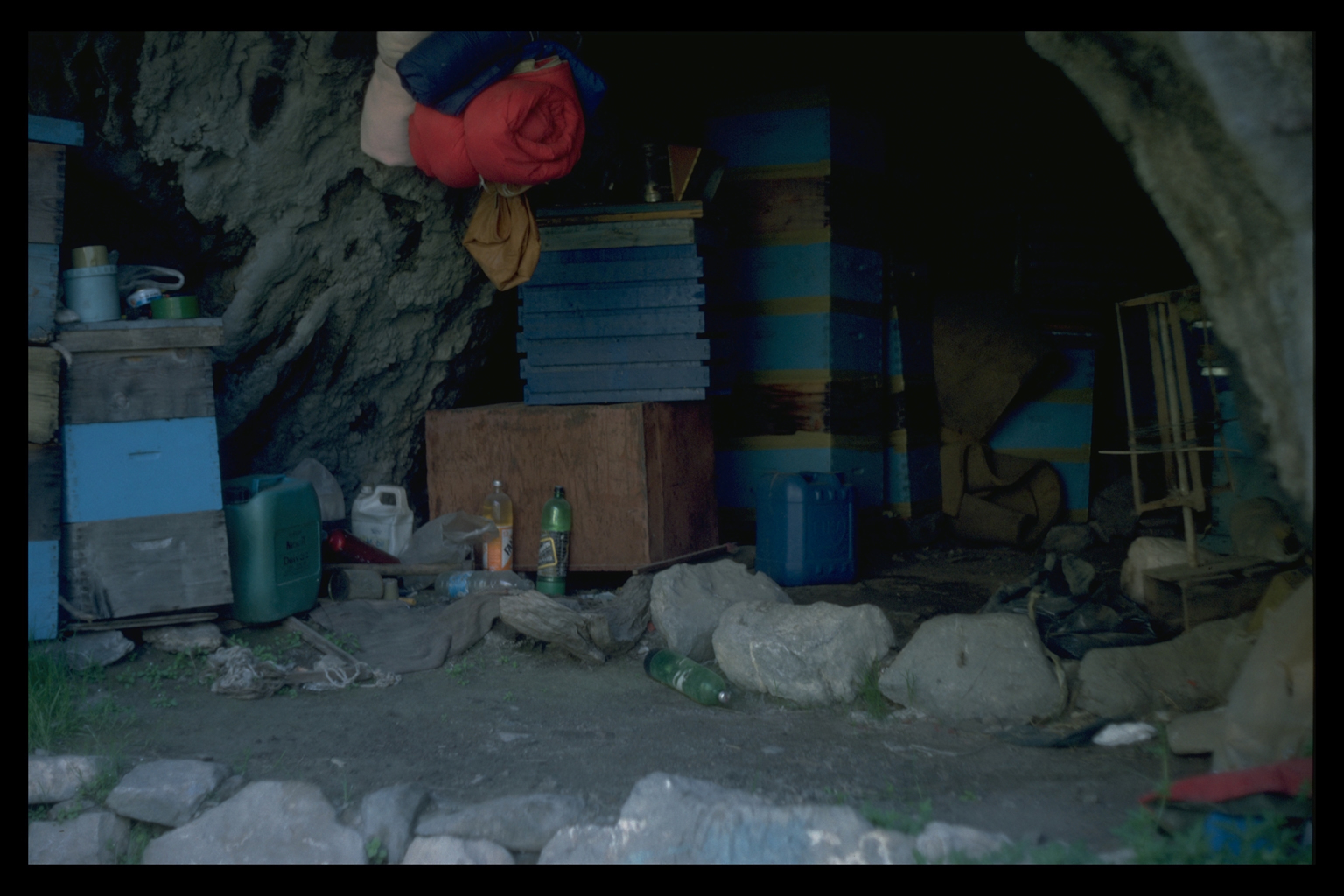
- bee-keeping
- weaving
- use of lime kilns
- timing of work throughout the year
- routes (footpaths, kaldirimia = built mule tracks, car roads)
- trade and exchange (e.g. lumber from Samaria for grain from the Messara
Plain to the E; pottery)
|