|
|
|
|
|
|
|
|
|
|
|

|
|||
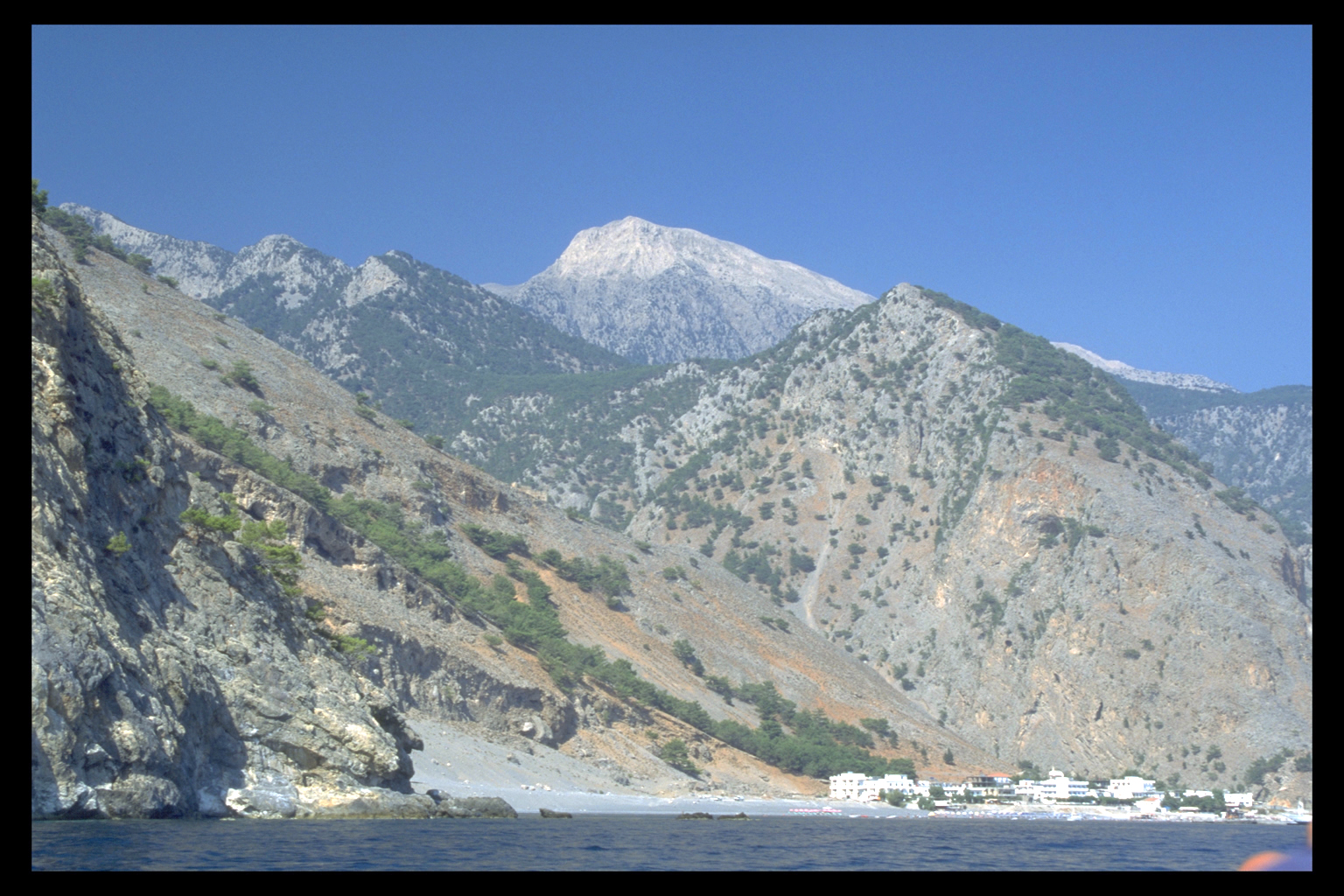
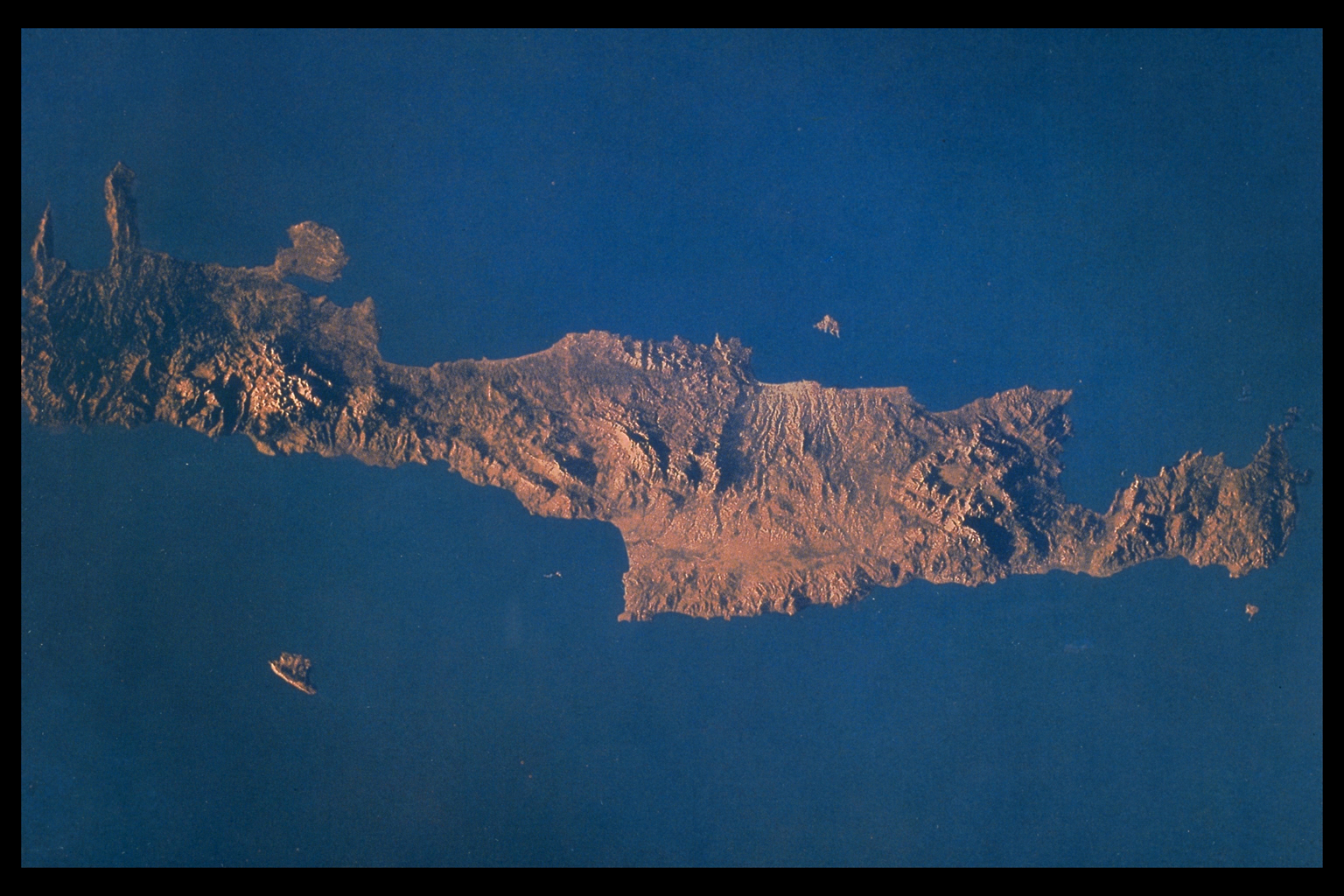
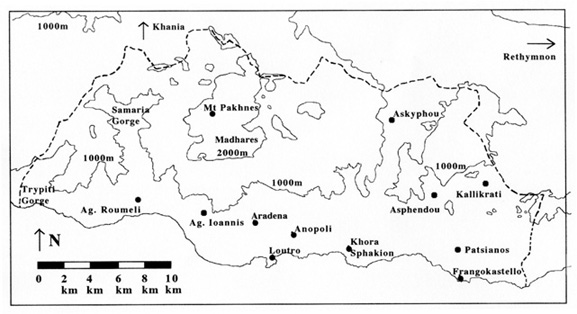
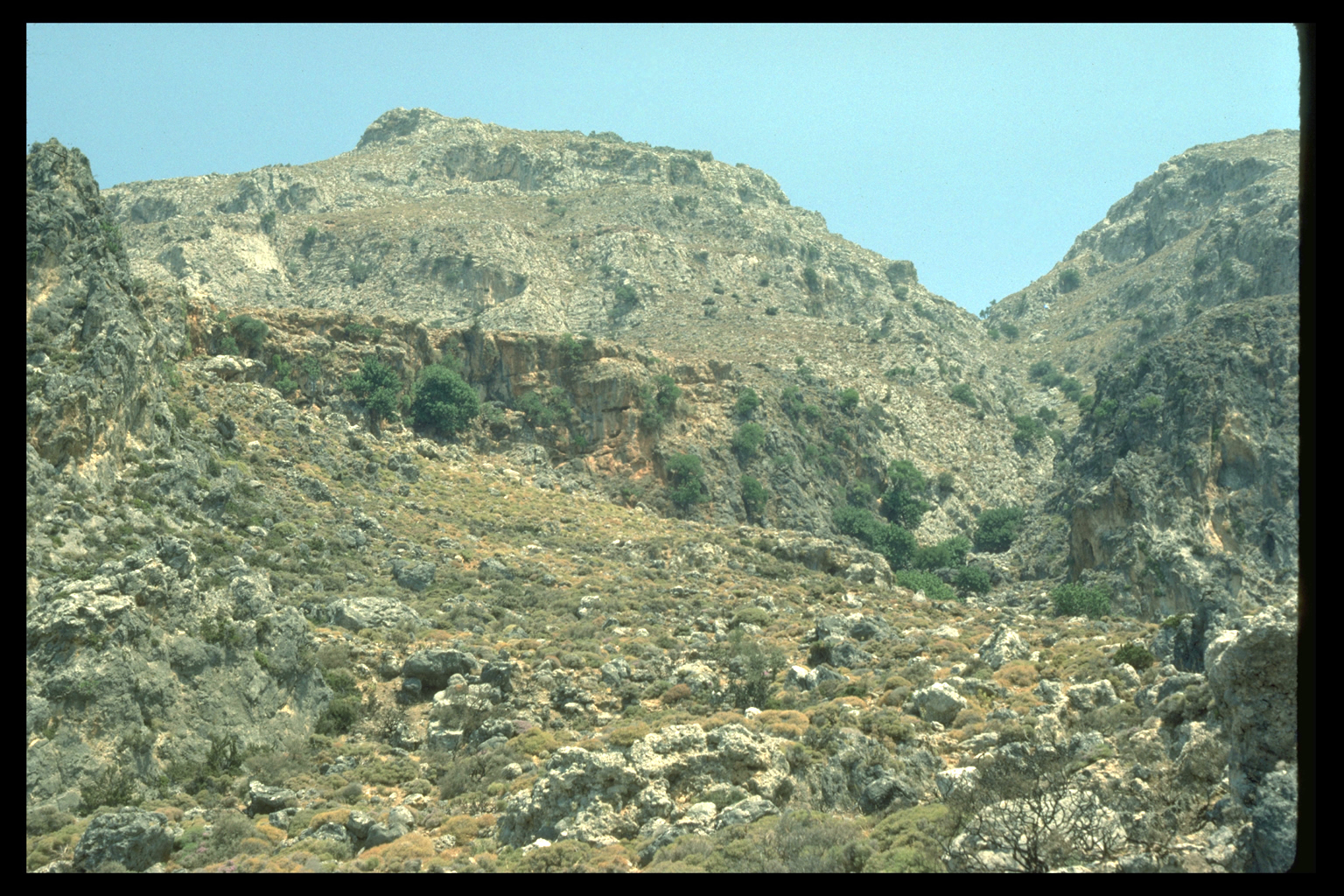
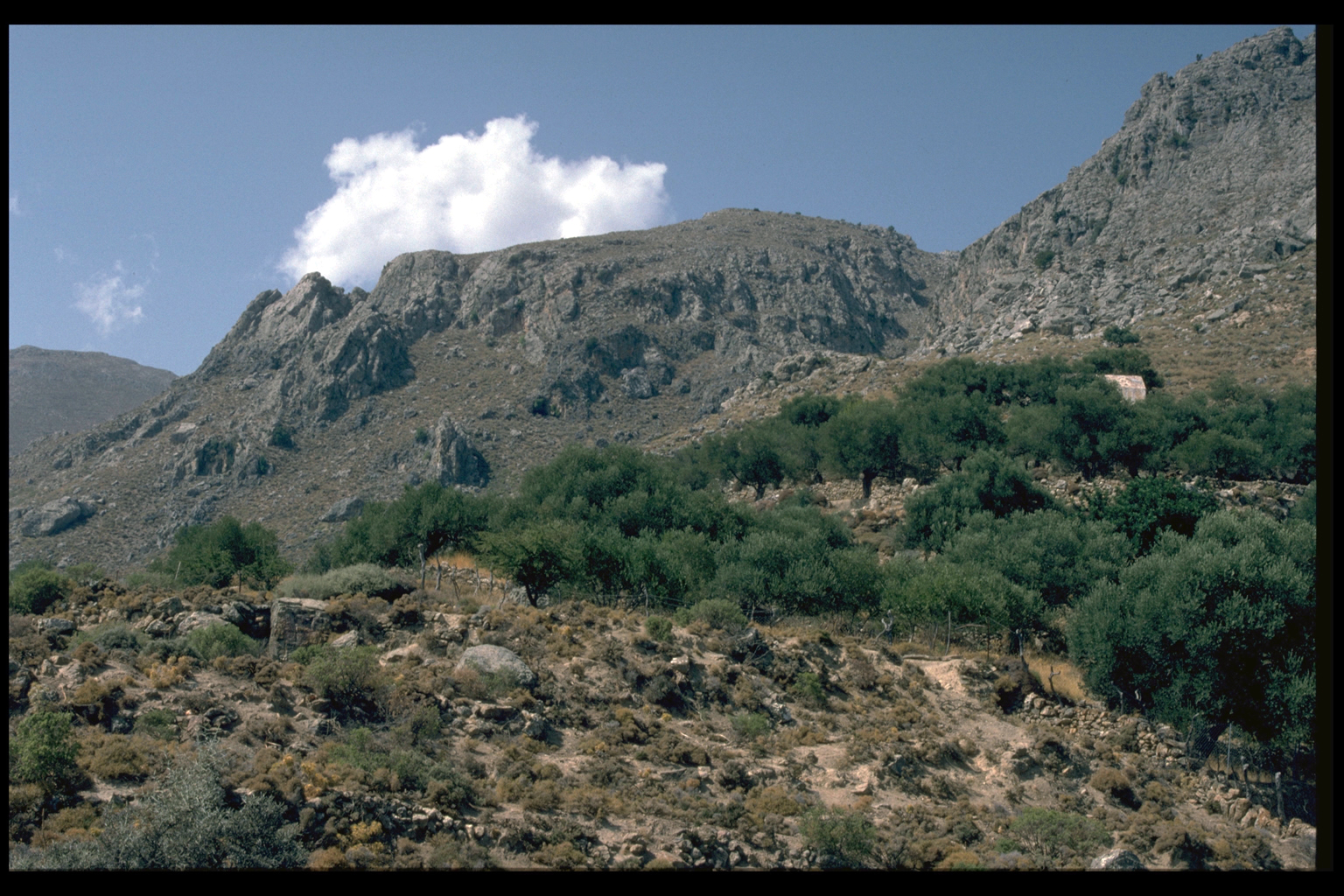
The Sphakia Survey: A Brief IntroductionWhere:
Why:The main objective of the Sphakia Survey is to investigate human interaction with the landscape. When:We have looked at evidence for human activity from the time that people first arrived in Sphakia at the end of the Stone Age (by ca 3000 B.C.) to the end of the Turkish period in Crete (A.D. 1898-1900). In other words, we have been working with a time span of some 5000 years. We divided this long period into three epochs: Prehistoric (3500 - 1050 B.C.); Graeco-Roman (1050 B.C. - A.D. 700); Byzantine-Venetian-Turkish (A.D. 700 - 1900).
Who:The Sphakia Survey is directed by Jennifer Moody and Lucia Nixon, with additional senior participation by Simon Price and Oliver Rackham.
We did our work with a permit granted by the Greek Ministry of Culture and Sciences, obtained through the Canadian Archaeological Institute at Athens. The staff of the Greek Archaeological Service, Khania Office, has supported us throughout.
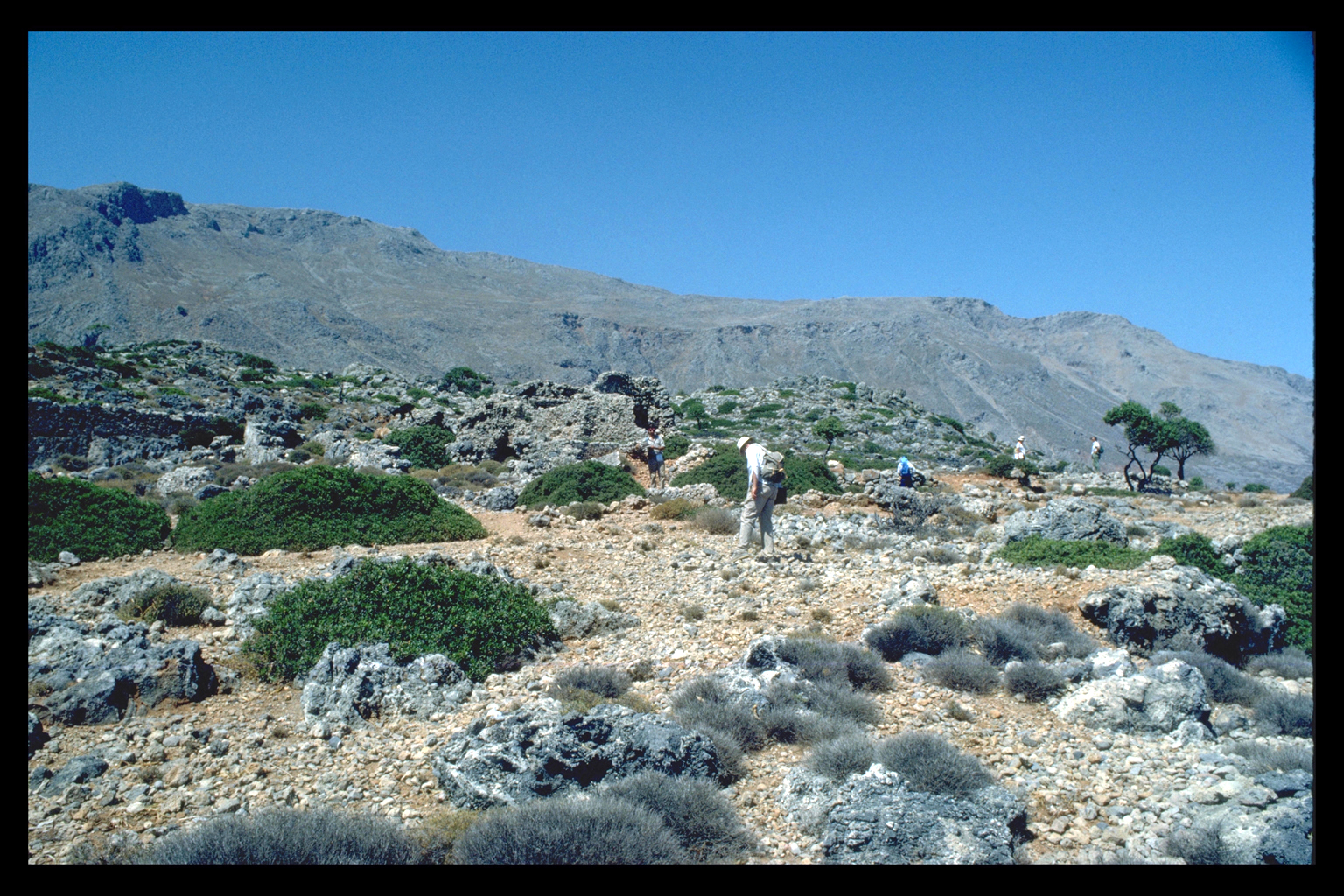
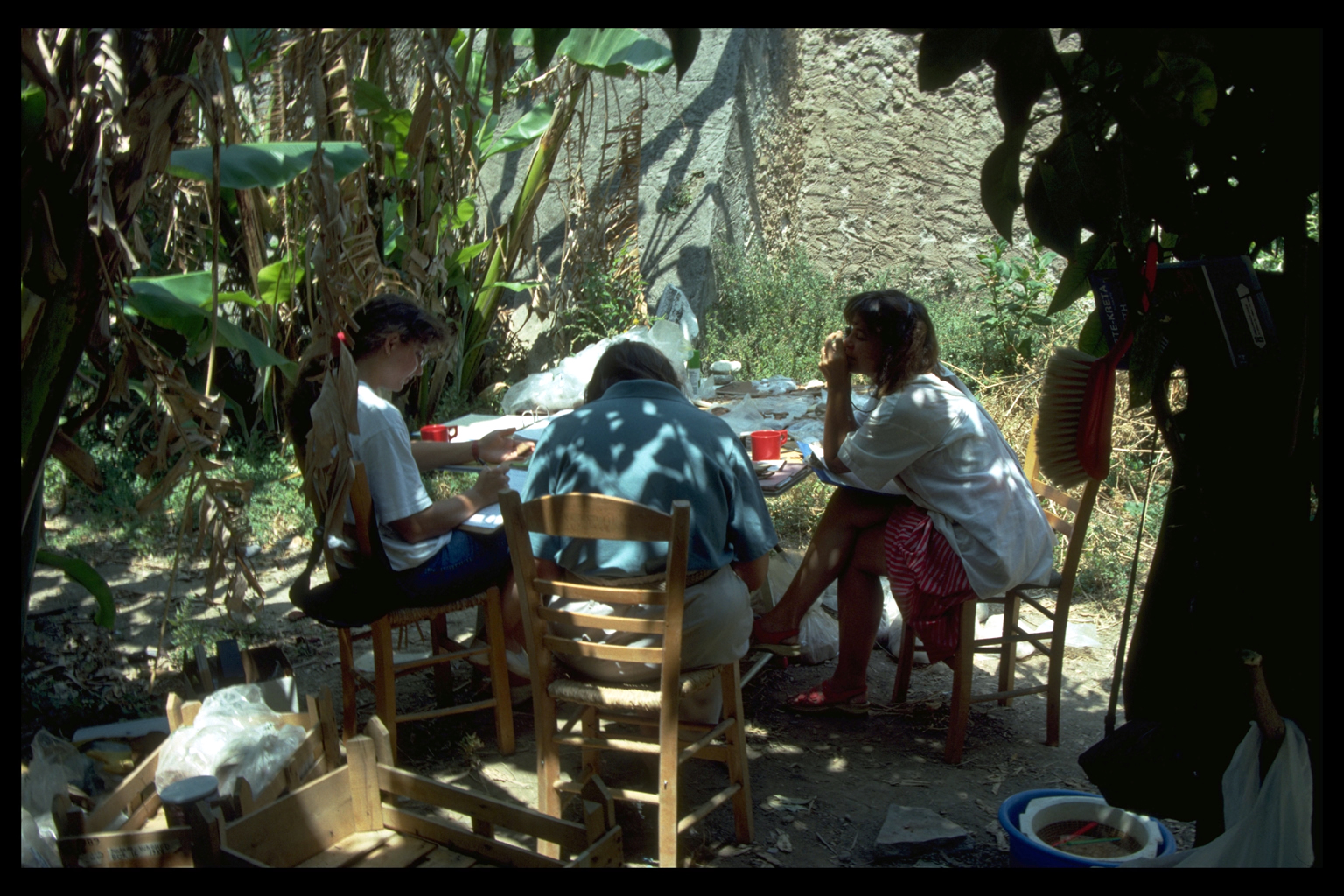
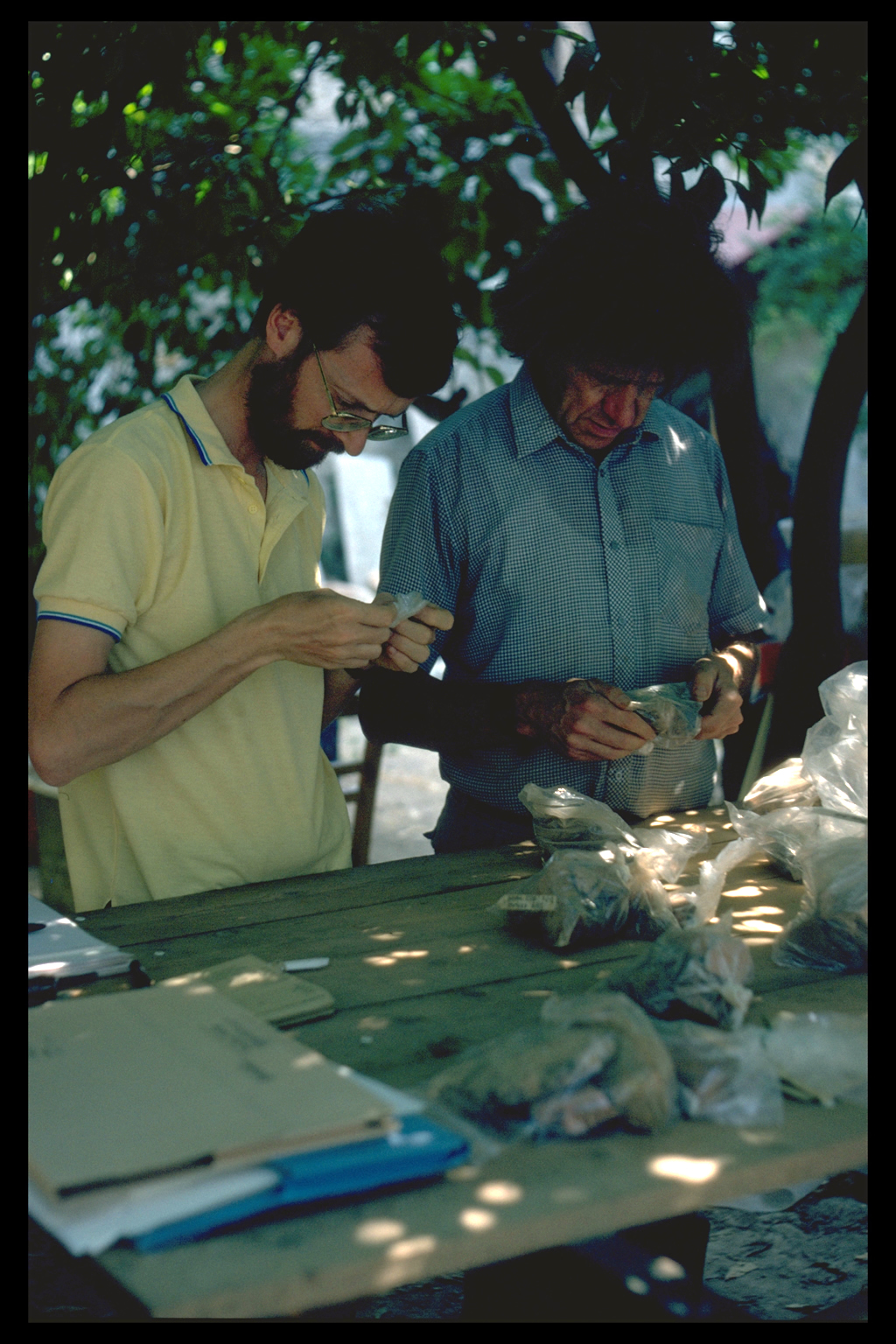
Our work has been funded by a number of agencies and foundations, principally the Social Sciences and Humanities Research Council of Canada; the Institute for Aegean Prehistory (New York); and the Craven Committee, University of Oxford, U.K. For full acknowledgements, please see the Project Team page. How:Members of the Survey have collected and analysed environmental, archaeological, documentary, and local evidence. The archaeological material has been collected from the surface alone. For more information on this look at the research methods pages. What:Sphakia has provided us with an extraordinary opportunity for archaeological research: it covers a large area, which had never been investigated systematically, with a broad environmental and altitudinal range. Our generous permit has allowed us to survey and collect surface finds in all parts of Sphakia. The number of sites known before (about 20, plus villages and neighbourhoods) and after our work (about 315, including neighbourhoods) gives a crude index of how much we have been able to learn about Sphakia. (Each site has a unique number, e.g. 4.21, which makes it easy to look up further details in the Site Catalogue.) The size of the eparchy gives the project a truly regional scope, and has made it possible to test our ideas by contrasting different parts of Sphakia, e.g. different uses of the three main altitudes in the Anopolis and Frangokastello areas.
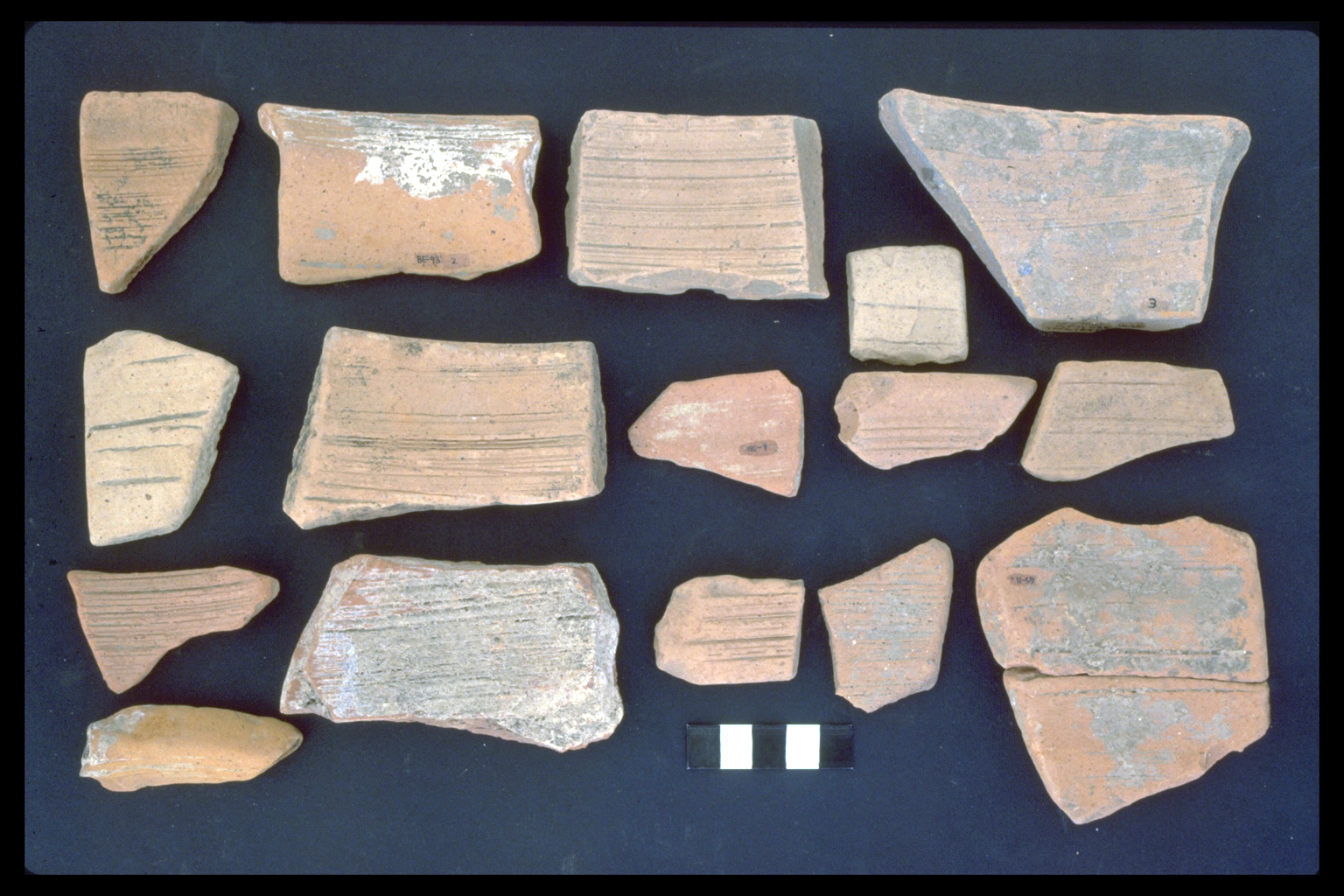
Perhaps the single most significant aspect of the Sphakia Survey is its role in the development of rigorous diachronic comparison. Almost all archaeological surveys declare an interest in diachrony. We have from the beginning tried to collect and analyse data from all three epochs of the Survey -- Byzantine-Venetian-Turkish as well as Graeco-Roman and Prehistoric -- and we have worked hard to find reliable methods of comparison. Here we summarise our results and their significance by epoch. Prehistoric The Archaeological Museum in Khania, where our finds are stored, has many Prehistoric and Graeco-Roman artefacts from west Crete. To visit the website for this museum, click here. Graeco-Roman
The Archaeological Museum in Khania, where our finds are stored, has many Prehistoric and Graeco-Roman artefacts from west Crete. To visit the website for this museum, click here. Byzantine-Venetian-Turkish
Our work has already had policy applications for the Greek Archaeological Service (sites to be protected), and is also beginning to show that in planning it is advisable to consider cultural (archaeological) and natural (environmental) resources not as separate entities but as part of the same landscape. The Byzantine and Post-Byzantine Collection of Khania displays artefacts of the Byzantine and later periods from west Crete, including Sphakia. To visit the website for this museum, click here. For a slightly more detailed introduction to the project read in sequence our three preliminary reports, 1988, 1989 and 1990 (reprinted here with numerous colour illustrations). |
||||
©
The Sphakia Survey: Internet Edition, University of Oxford 2000
Designed and Developed by ACDT
at University of Oxford
This page last updated